
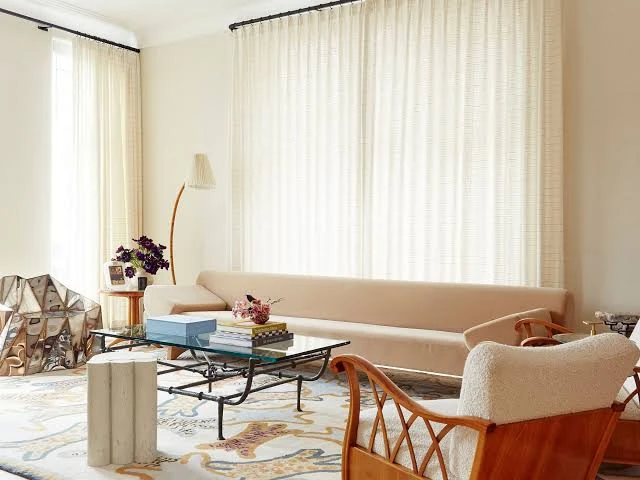
Window furnishings can seem like one of the easier decisions in a renovation. Pick a colour, choose between curtains and blinds, get the windows measured, and you’re done.
Then you start looking at the options.
Blockout or light filtering? Curtains or roller blinds? Shutters? Motorised controls? What works for a bedroom may be frustrating in a living room, while something that looks beautiful in a showroom might not handle afternoon sun particularly well.
The better approach is to start with how each room needs to work. Once you’ve figured that out, the design choices become much easier.
Start With the Problem, Not the Product
Before deciding what should go on a window, ask what you’re actually trying to fix.
Maybe the morning sun wakes you earlier than you’d like. Perhaps a street-facing living room feels too exposed at night. A west-facing room might become unpleasantly hot in summer, or you may simply have an empty-looking window that makes an otherwise finished room feel incomplete.
Those situations don’t necessarily need the same solution.
For bedrooms, light control and privacy usually matter more than anything else. Living spaces often need more flexibility because you may want plenty of daylight during the day without feeling exposed to neighbours.
Working out the practical problem first stops you from choosing something mainly because it looked good in a photograph.
Think About How the Light Changes
A room doesn’t receive the same light all day.
That sounds obvious, but it’s surprisingly easy to forget when you’re choosing fabrics or looking at samples indoors.
Morning light can be pleasant and relatively gentle. Strong afternoon sunlight is a different story. It can create glare on televisions and computer screens, heat up a room and make certain spaces uncomfortable at particular times.
Spend a day paying attention to your windows before making a decision. Notice where direct sunlight enters, when glare becomes annoying and whether privacy changes after dark.
You might discover that one side of the house needs strong light control while another would benefit from keeping as much natural light as possible.
Privacy Isn’t Simply Open or Closed
Privacy gets tricky because most people still want natural light.
Closing a heavy window covering during the day may solve the privacy problem, but it can also leave you switching the lights on at lunchtime.
That’s why layered window treatments can work so well.
For example, a softer sheer layer can give a room some daytime screening while still allowing natural light through. A separate blockout layer can then provide stronger privacy and darkness when required.
This approach is particularly useful in bedrooms and living areas where your needs change throughout the day.
Before choosing anything, stand outside and look back toward the windows if possible. A window that feels private from inside the house can look surprisingly exposed from the street.
Curtains, Blinds and Shutters Serve Different Needs
There’s no single window treatment that makes sense everywhere.
Curtains
Curtains bring softness to a room and can visually change its proportions. Hanging them higher or extending them beyond the edges of the window can make a window feel larger.
Fabric choice matters, though. A light sheer curtain behaves very differently from a lined blockout curtain.
Blinds
Blinds are often useful when you want a neat treatment that sits close to the window. Depending on the type, they can provide strong control over light and privacy without taking up much visual space.
They’re also practical in rooms where full-length fabric isn’t convenient.
Shutters
Shutters have a more architectural appearance. Adjustable louvres can give you control over light and visibility while creating a structured finish around the window.
The right option depends on the window, room and way you actually live in the space.
If you’re unsure how those factors fit together, speaking with Window Furnishing Experts in Melbourne can help you compare suitable options based on the room rather than choosing a product in isolation.
Don’t Treat Every Window the Same
Matching window treatments throughout an entire house can create visual consistency, but that doesn’t mean every window needs identical furnishings.
Consider a bathroom and a bedroom.
The bathroom may need privacy, moisture resistance and something compact. The bedroom may need excellent darkness, insulation and a softer appearance.
Forcing both rooms to use exactly the same solution just for consistency can create compromises.
Instead, look for common elements such as similar colours, materials or overall design style. You can keep the house feeling connected while allowing each room to have the window treatment that makes the most sense there.
Measure More Than the Glass
Accurate measurements are essential, especially for made-to-measure furnishings.
But measurements aren’t only about the width and height of the glass.
Handles, window frames, skirting boards, furniture, air-conditioning units and nearby doors can all affect how a furnishing needs to operate. Curtain tracks need appropriate clearance. Blinds need enough room to move properly. Shutters require space for panels to open.
Even the way you arrange furniture matters.
A beautiful floor-length curtain isn’t particularly convenient if a desk has to sit directly against that wall.
Thinking about the entire area around the window can prevent awkward surprises later.
Consider Insulation Before You Need It
Windows can have a noticeable effect on how comfortable a room feels.
During warmer months, direct sunlight entering through glass can increase heat inside the home. In cooler weather, windows can also be an area where indoor warmth is lost.
Window furnishings won’t replace good glazing or proper home insulation, but choosing treatments with thermal performance in mind can help manage the conditions around a window.
This is another reason appearance shouldn’t be your only consideration.
A thin decorative treatment might look perfect, yet provide less control than you need in a room that receives intense afternoon sun. Sometimes combining treatments gives you a better balance between appearance and practical performance.
Decide on Motorisation Early
Motorised window furnishings aren’t necessary for every home, but there are situations where they’re genuinely useful.
Large or difficult-to-reach windows are an obvious example. They can also make sense when you’re dealing with several blinds in one large room and want to operate them together.
If you’re building or doing a substantial renovation, consider motorisation early rather than treating it as a last-minute upgrade.
Some systems may involve power, wiring or other installation requirements that are much easier to account for before walls and finishes are completed.
Even if you’re not certain you’ll use motorisation, asking about the requirements during planning gives you more options later.
Look at Samples in the Actual Room
A small fabric sample under showroom lighting can only tell you so much.
Take samples into the room where they’ll actually be used whenever possible. Look at them in the morning, afternoon and evening.
Colours can shift dramatically under different lighting. A neutral fabric that looks warm in one environment may appear cooler somewhere else. Texture can also become much more noticeable when sunlight passes across it.
Don’t rush this part.
Living with a few samples for a day or two is much easier than living with several metres of fabric you wish you’d chosen differently.
A Better Window Starts With Better Questions
Choosing window furnishings becomes much simpler when you stop asking, “Which one looks best?” and start asking what the room needs.
How much light do you want? When do you need privacy? Does the room get hot? How often will the furnishing be opened and closed? Is the window difficult to reach? What furniture needs to sit nearby?
Once those questions are answered, style still matters, but you’re choosing from options that already make practical sense.
That’s usually the difference between a window treatment that simply looks good on installation day and one that continues to work comfortably years later.
