
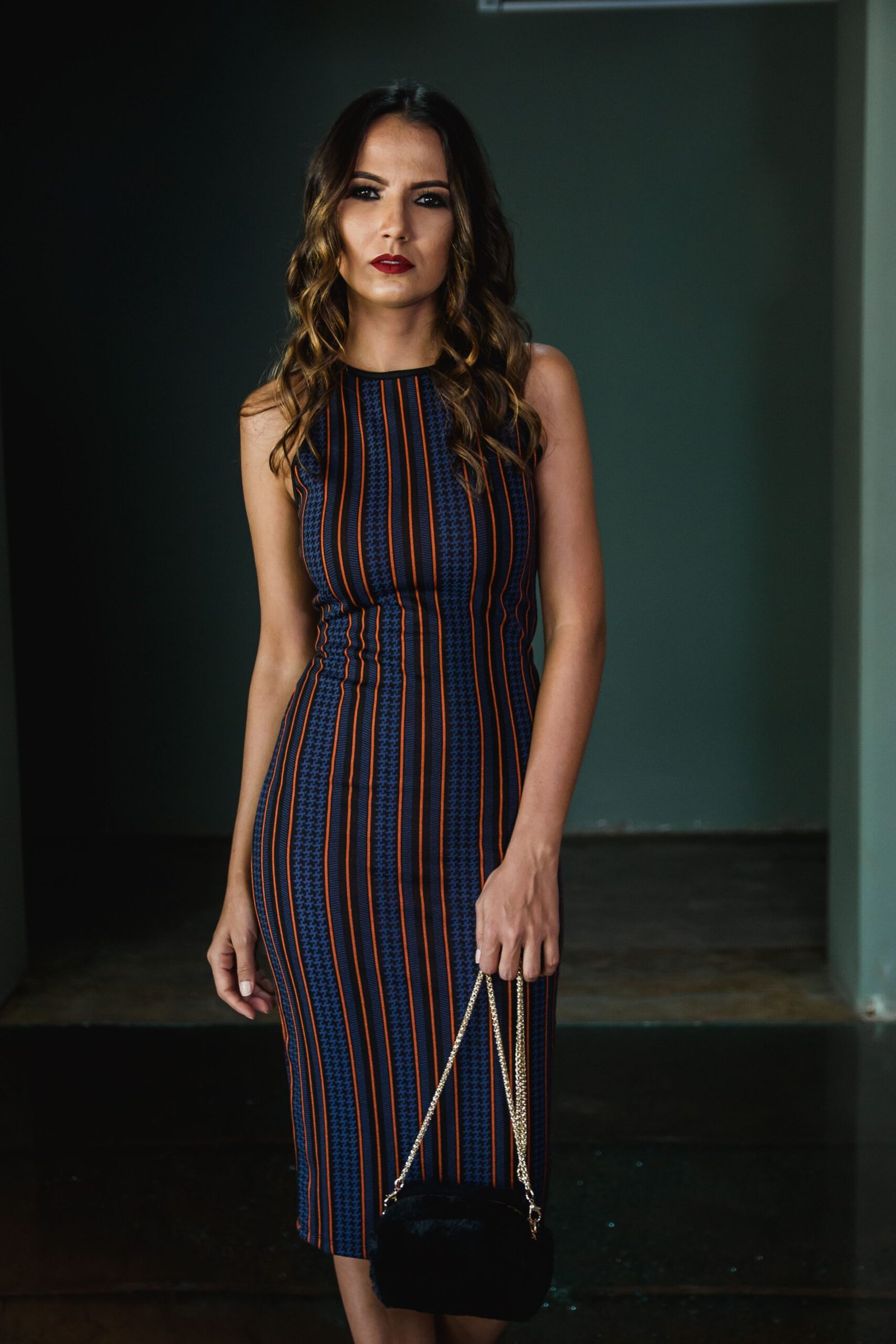
Talking about clothes is part of everyday English. We describe what someone is wearing, explain what we like about an outfit, ask about sizes, discuss colors, and even give advice about what to wear for different occasions. Yet choosing the right words can sometimes be difficult for English learners.
Knowing basic fashion vocabulary makes these conversations much easier. Instead of repeatedly saying that something is “nice,” “beautiful,” or “good,” you can describe its color, shape, material, fit, style, and overall appearance more precisely.
Whether you are shopping, talking with friends, writing about fashion, or simply trying to improve your English, learning the right clothing words can make your communication more natural.
Why Fashion Vocabulary Matters
Clothing vocabulary is useful because fashion involves more than naming individual items. When someone asks, “What are you wearing?” a complete answer might include the type of clothing, its color, fabric, fit, pattern, and occasion.
For example, instead of saying:
“She is wearing a nice dress.”
you could say:
“She is wearing an elegant black midi dress with a fitted waist.”
The second sentence gives the listener much more information.
This type of vocabulary is especially useful for English learners because many clothing descriptions use adjectives that also appear in other everyday conversations. Words such as elegant, casual, fitted, loose, formal, colorful, and comfortable can describe both clothes and the overall impression created by an outfit.
Basic Clothing Words
Before learning descriptive terms, it helps to know the names of common clothing items.
Some everyday examples include:
- T-shirt
- Shirt
- Blouse
- Sweater
- Jacket
- Coat
- Jeans
- Trousers
- Skirt
- Shorts
- Dress
- Suit
- Blazer
- Cardigan
- Hoodie
Accessories are also an important part of an outfit. Common examples include handbags, belts, scarves, hats, watches, sunglasses, necklaces, bracelets, earrings, and shoes.
When describing an outfit, you can combine these nouns with adjectives to make your meaning more specific.
For example:
- a black leather jacket
- a long summer dress
- a casual cotton shirt
- a tailored blazer
- a colorful printed skirt
Words to Describe the Fit
One of the most useful areas of clothing vocabulary is describing how a garment fits the body.
Fitted means that clothing follows the body’s shape without necessarily being extremely tight.
Tight means that the clothing fits closely and may feel restrictive.
Loose describes clothing that does not closely follow the body.
Oversized usually refers to clothing intentionally designed to look larger or more relaxed than a standard fit.
Slim-fit describes clothing designed to follow the body more closely than a regular fit.
Relaxed-fit generally suggests a comfortable shape with additional room.
These words can change the meaning of a description considerably.
For example, “a fitted jacket” and “an oversized jacket” describe very different silhouettes even though both refer to the same type of garment.
Describing Dresses and Other One-Piece Outfits
Dresses provide many opportunities to practice descriptive English because they can differ in length, shape, fabric, neckline, sleeves, and fit.
A dress can be described as:
- Mini
- Midi
- Maxi
- Fitted
- Flowing
- Sleeveless
- Long-sleeved
- Off-the-shoulder
- High-neck
- Wrap-style
- Pleated
- Ruched
For example:
“She chose a fitted midi dress for the evening event.”
This sentence communicates both the shape and length of the dress.
If you want to learn more practical styling ideas for fitted dresses, a useful example is this bodycon dress styling guide, which shows how different shoes, layers, accessories, and jackets can change the overall appearance of an outfit.
The key lesson for English learners is that descriptive vocabulary allows you to communicate much more than simply naming the garment.
Useful Words for Colors
Color is one of the easiest ways to make a clothing description more precise.
Basic colors include black, white, red, blue, green, yellow, pink, purple, orange, brown, and grey.
However, fashion descriptions often use more specific shades.
For example:
- Navy
- Burgundy
- Cream
- Beige
- Ivory
- Olive
- Mustard
- Lavender
- Emerald
- Coral
- Teal
You can also describe colors as bright, dark, light, soft, neutral, or pastel.
For instance:
“She wore a soft pastel pink blouse.”
This gives a much clearer picture than simply saying:
“She wore a pink blouse.”
Describing Fabrics and Materials
Material is another useful part of clothing vocabulary.
Common fabrics and materials include:
- Cotton
- Wool
- Silk
- Linen
- Denim
- Leather
- Suede
- Velvet
- Satin
- Polyester
- Knit
- Cashmere
These words can also create different impressions. Linen may suggest something light and suitable for warm weather, while wool often suggests warmth and winter clothing.
Examples include:
“He bought a lightweight linen shirt.”
“She wore a soft wool sweater.”
“The jacket is made from genuine leather.”
Learning these combinations helps you sound more natural because English speakers frequently use the material directly before the clothing noun.
Words for Patterns and Prints
Patterns can completely change the appearance of an outfit.
Common pattern words include:
- Striped
- Checked
- Plaid
- Floral
- Polka-dot
- Geometric
- Abstract
- Animal print
- Printed
- Plain
For example:
“She wore a floral dress with white sandals.”
Or:
“He chose a checked shirt for the weekend.”
You can also describe whether a pattern is subtle, bold, colorful, or eye-catching.
Formal and Casual Clothing
Another important distinction is the level of formality.
Casual clothing is generally relaxed and suitable for everyday activities.
Smart-casual clothing combines relaxed pieces with more polished items.
Formal clothing is usually associated with professional events, ceremonies, weddings, or occasions requiring a more traditional appearance.
Other useful words include:
- Elegant
- Sophisticated
- Professional
- Relaxed
- Sporty
- Trendy
- Classic
- Modern
- Vintage
- Chic
The appropriate word depends on the context.
For example, a simple black dress might be described as elegant at a dinner, while the same dress could be described as classic when discussing its long-lasting style.
How to Describe a Complete Outfit
When describing someone’s complete outfit, it helps to follow a logical order rather than listing random details.
A simple structure is:
Main clothing item + color + material + fit + additional details + accessories
For example:
“She is wearing a long black satin dress with a fitted waist, silver earrings, and black heels.”
Another example:
“He is wearing a relaxed white cotton shirt with dark jeans and brown leather shoes.”
This structure makes descriptions easier to understand.
You do not need to mention every detail. Choose the characteristics that are most noticeable or relevant to the conversation.
Useful Fashion Adjectives
Learning adjectives can make your clothing descriptions more expressive.
Elegant suggests a polished and attractive appearance.
Chic usually means stylish and fashionable in a sophisticated way.
Trendy describes something currently popular.
Classic describes a style that remains attractive over time.
Vintage refers to a style associated with an earlier period.
Comfortable focuses on how clothing feels.
Bold suggests a strong or noticeable appearance.
Minimalist describes a simple style with limited decoration.
Edgy can describe a modern style with an unconventional or slightly rebellious appearance.
These adjectives can be combined with clothing nouns:
- a chic handbag
- a classic blazer
- an edgy jacket
- a minimalist outfit
- an elegant dress
Common Mistakes English Learners Make
One common mistake is using “cloth” when you mean “clothes.” Clothes refers to garments that people wear, while cloth generally refers to fabric or material.
Another common mistake is forgetting that “clothes” is plural. We normally say:
“These clothes are comfortable.”
rather than:
“This clothes is comfortable.”
It is also important to distinguish between wear, put on, and dress.
“Wear” describes having clothing on your body:
“She wears a black coat.”
“Put on” describes the action of putting clothing onto your body:
“She put on her coat.”
“Dress” can describe the process of putting on clothes:
“He dressed quickly.”
Understanding these small differences can make everyday English much more natural.
Final Thoughts
Good clothing vocabulary helps you communicate with greater detail and confidence. Instead of relying on general words such as “nice” or “beautiful,” you can describe a garment’s fit, color, material, pattern, length, and style.
The best way to learn these words is to practice them in complete sentences. Describe what you are wearing, write about an outfit you like, or try explaining what someone should wear for a particular occasion.
Fashion gives English learners an excellent opportunity to build vocabulary because clothing is part of everyday life. Once you understand the basic words and learn how to combine them naturally, describing outfits becomes much easier.
