
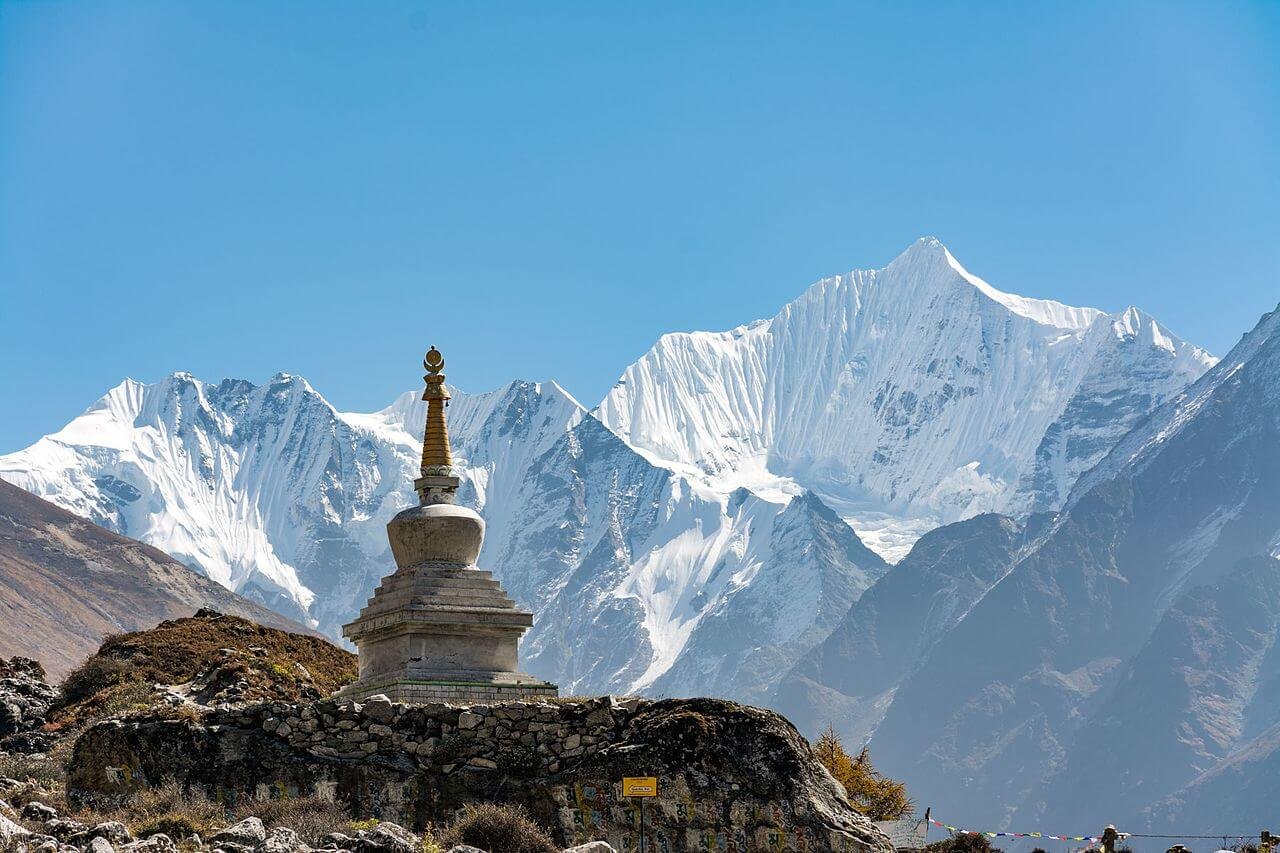
The Langtang Valley Trek is one of Nepal’s most rewarding Himalayan trekking experiences, combining beautiful mountain scenery, traditional villages, peaceful forests, and rich Tamang and Tibetan-influenced culture. Located north of Kathmandu near the Tibetan border, the Langtang region provides an excellent opportunity to explore the Himalayas without committing to the longer itineraries associated with Everest or Annapurna.
The trek is known for its scenic landscapes, welcoming mountain communities, and relatively accessible route. From lush forests and river valleys to alpine meadows and snow-covered peaks, the scenery changes dramatically as you gain elevation. With proper preparation, the Langtang Valley Trek is an excellent choice for both experienced hikers and adventurous first-time trekkers.
Langtang Valley Trek Overview
The classic Langtang route usually begins with a road journey from Kathmandu to Syabrubesi, the main gateway to the trekking region. From there, trekkers follow the Langtang River through forests and mountain villages toward Kyanjin Gompa.
Kyanjin Gompa is the main destination of the trek and provides access to several spectacular viewpoints. Trekkers with sufficient time and energy can hike toward Tserko Ri, which reaches an elevation of more than 4,900 meters and offers impressive panoramic views.
A typical Langtang Valley Trek takes around 7 to 10 days, depending on the itinerary, acclimatization, side hikes, and transportation arrangements.
Langtang Valley Trek Itinerary
Day 1: Kathmandu to Syabrubesi
The adventure begins with a scenic drive from Kathmandu to Syabrubesi. The road passes through green hills, terraced farmland, rivers, and rural settlements.
Syabrubesi is a popular starting point for the Langtang trek, where travelers can rest before beginning the walking portion of the journey.
Day 2: Syabrubesi to Lama Hotel
The trail follows the Langtang River through dense forests. You will encounter suspension bridges, waterfalls, and peaceful woodland scenery along the route.
The gradual climb eventually leads to Lama Hotel, where trekkers spend the night surrounded by forested mountains.
Day 3: Lama Hotel to Langtang Village
Continue along the river through increasingly open landscapes. The trail passes through forests and traditional settlements before reaching Langtang Village.
As you gain altitude, the surrounding Himalayan peaks become more visible, creating a dramatic change in scenery.
Day 4: Langtang Village to Kyanjin Gompa
This is one of the most scenic sections of the trek. The trail climbs gradually through alpine terrain toward Kyanjin Gompa.
The village is surrounded by impressive mountain peaks and provides an ideal base for exploring the upper Langtang Valley.
Day 5: Exploration and Acclimatization at Kyanjin Gompa
Spend the day exploring the area around Kyanjin Gompa. Trekkers can take a short or challenging hike toward nearby viewpoints depending on their fitness and weather conditions.
Tserko Ri is a popular option for experienced trekkers seeking panoramic views, while shorter walks around the valley are suitable for those who prefer a relaxed day.
Day 6: Kyanjin Gompa to Lama Hotel
Begin the descent toward Lama Hotel. Retracing the trail provides an opportunity to appreciate the landscape from a different perspective.
Descending to a lower elevation also brings warmer temperatures and easier breathing.
Day 7: Lama Hotel to Syabrubesi
Continue downhill through the forest and along the Langtang River before reaching Syabrubesi.
After completing the main trekking route, you can relax and prepare for the journey back to Kathmandu.
Day 8: Syabrubesi to Kathmandu
The final day involves a road journey back to Kathmandu. Depending on road and traffic conditions, the trip can take several hours.
The itinerary can be extended with additional acclimatization or exploration days for travelers who prefer a slower pace.
Langtang Valley Trek Cost
The Langtang Valley Trek cost depends on the trekking company, duration, group size, accommodation, transportation, guide services, porter arrangements, and package inclusions.
A standard trekking package may include:
- Professional trekking guide
- Porter services
- Accommodation during the trek
- Meals according to the selected package
- Transportation between Kathmandu and Syabrubesi
- Required trekking permits and documentation
Travelers should also budget for Nepal visa fees, international flights, travel insurance, personal trekking equipment, snacks, drinks, charging, Wi-Fi, tips, and additional hotel accommodation.
Before booking a package, check the complete list of inclusions and exclusions so you can create an accurate travel budget.
Langtang Valley Trek Difficulty
The Langtang Valley Trek difficulty is generally considered moderate. Technical climbing experience is not required for the standard route, but trekkers should have reasonable fitness and stamina.
Daily walks can involve several hours of hiking over uneven terrain, stone steps, steep climbs, and descents. The increasing altitude also makes the upper sections more demanding.
Trekkers planning to hike Tserko Ri should be prepared for a significantly more strenuous climb.
Regular walking, hiking, stair climbing, and cardiovascular exercise before the trip can improve endurance. During the trek, maintaining a steady pace and allowing adequate time for acclimatization are important.
Best Time for Langtang Valley Trek
The best time for the Langtang Valley Trek is generally spring and autumn.
Spring: March to May
Spring brings warmer temperatures, blooming rhododendrons, and beautiful mountain scenery. Forest sections can be particularly colorful during this season.
Autumn: September to November
Autumn is another excellent trekking period. Following the monsoon, skies are often clearer and mountain visibility can be impressive.
Winter: December to February
Winter brings cold temperatures and snowfall, particularly at higher elevations. The trek remains possible for experienced and properly equipped trekkers, but weather conditions can make the upper sections more challenging.
Monsoon: June to August
Monsoon brings frequent rainfall, slippery trails, clouds, and potentially muddy sections. Travelers choosing this season should be prepared for changing weather and road conditions.
Langtang Valley Trek Permits
Trekkers need the appropriate permits and documentation before entering the Langtang region. Requirements can include the Langtang National Park entry permit and trekking registration documentation.
Permit rules and fees can change, so travelers should confirm the latest requirements before departure. Trekking agencies can usually assist with arranging permits and completing the necessary paperwork.
It is also advisable to carry your passport and copies of important travel documents throughout the journey.
What to Pack for Langtang Valley
A suitable packing list should include sturdy trekking boots, comfortable hiking trousers, thermal layers, fleece clothing, a waterproof jacket, warm gloves, a hat, sunglasses, sunscreen, and a sleeping bag.
Other useful items include a reusable water bottle, trekking poles, headlamp, power bank, personal medication, basic first-aid supplies, toiletries, and travel documents.
Because temperatures can change significantly between lower and higher elevations, wearing several lightweight layers is more practical than relying on one heavy item.
Why Choose the Langtang Valley Trek?
One of the biggest advantages of the Langtang Valley Trek is its accessibility from Kathmandu. Travelers can reach the trailhead by road and begin exploring the Himalayan landscape without taking a domestic mountain flight.
The region also offers a strong cultural component. Traditional villages, monasteries, prayer flags, and local communities provide insight into the heritage of the Himalayan people.
The combination of forests, waterfalls, glaciers, alpine meadows, and mountain peaks makes the route especially attractive to nature lovers and photographers.
Final Thoughts
The Langtang Valley Trek is an excellent choice for travelers seeking a scenic Himalayan adventure with a manageable duration. From the forests around Syabrubesi to the spectacular mountain landscape surrounding Kyanjin Gompa, the route offers an impressive variety of natural and cultural experiences.
With a suitable itinerary, realistic budget, proper equipment, and good physical preparation, trekkers can enjoy this beautiful region comfortably. Choosing spring or autumn generally provides favorable conditions, while allowing sufficient time for acclimatization helps make the high-altitude sections more enjoyable.
For travelers who want to experience Nepal’s mountains, culture, and peaceful trekking trails without committing to a very long expedition, Langtang Valley offers a memorable Himalayan journey.
