
A flickering light, a sudden hum of silence, then darkness. For many homeowners across North Carolina, a power outage isn’t a rare inconvenience — it’s a seasonal certainty. Between summer thunderstorms, hurricane season, and the occasional ice storm, the Triangle region sees its fair share of unpredictable weather, and with it, unpredictable power.
That’s why more homeowners and business owners are turning to standby generators as a permanent solution rather than a temporary fix. A generator doesn’t just keep the lights on. It protects your refrigerator full of groceries, keeps your sump pump running during a storm, and ensures your home office stays connected when you need it most.
This post walks through why backup power matters, what to look for in a generator service provider, and how proper installation and maintenance make all the difference between a generator that works when you need it and one that lets you down.
Why Backup Power Matters More Than Ever
Power grids across the country are aging, and extreme weather events are becoming more frequent. According to the U.S. Department of Energy, weather-related power outages have increased significantly over the past two decades. For homeowners, that means longer outages, more frequent disruptions, and higher stakes when the power goes out.
A whole-home standby generator automatically detects an outage and restores power within seconds, often before you even notice the lights went out. Unlike portable generators, which require manual setup and careful fuel management, standby units run on natural gas or propane and kick in automatically, whether you’re home or away.
For families with medical equipment, home-based businesses, or simply a strong desire to avoid spoiled food and frozen pipes, a generator isn’t a luxury. It’s peace of mind.
What to Look for in a Generator Installation Partner
Not all installations are created equal. A generator is only as reliable as the team that installs and maintains it. Here’s what separates a trustworthy provider from the rest:
Licensed and Experienced Technicians
Generator installation involves electrical and gas line work, so it’s essential to hire technicians who are properly licensed and trained. Experienced installers know how to size a generator correctly for your home’s specific power needs, ensuring it can handle everything from your HVAC system to your kitchen appliances.
Transparent Pricing and Honest Recommendations
A reputable provider will walk you through your options without pushing unnecessary upgrades. The goal should always be matching you with the right system for your home and budget, not upselling the most expensive unit available.
Ongoing Maintenance Support
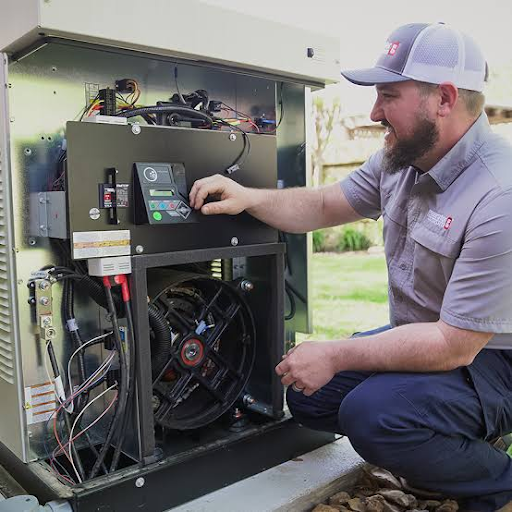
Generators, like cars, need regular maintenance to perform reliably. Oil changes, battery checks, and load tests keep your system ready for action. A provider that offers maintenance plans gives you confidence that your generator will work when the power actually goes out, not just when it’s brand new.
Local Knowledge
Companies familiar with the Triangle’s climate, housing styles, and utility infrastructure can make smarter recommendations. They understand the region’s storm patterns and know how to prepare homes for the specific challenges local weather brings.
Choosing the Right Generator Size for Your Home
One of the most common mistakes homeowners make is purchasing a generator that’s either too small or unnecessarily large. A unit that’s undersized won’t power everything you need during an outage, while an oversized system means paying more upfront and on fuel costs.
A proper assessment considers:
- Square footage of your home — Larger homes generally require more wattage to run comfortably.
- Essential appliances — Refrigerators, sump pumps, HVAC systems, and medical equipment all draw different amounts of power.
- Future needs — If you’re planning an addition or new appliances, it’s worth planning so your generator can keep up.
A trained technician can calculate your home’s exact power requirements and recommend a system that balances performance and cost.
Protecting What Matters Most With Reliable, Local Expertise
Generator Supercenter of the Triangle makes it easy for homeowners to secure dependable backup power without the guesswork, offering expert guidance from initial consultation through installation and long-term maintenance. Rather than navigating generator sizing, permitting, and installation logistics alone, homeowners can rely on a team that understands both the technical requirements and the local climate challenges unique to the Triangle area.
This kind of service goes beyond simply installing equipment. It means having a partner who checks in, performs routine maintenance, and ensures your system is ready to perform when severe weather strikes. For many families, that relationship brings a level of comfort that’s hard to put a price on: knowing that no matter what the forecast says, their home will stay powered, safe, and functional.
Take the Guesswork Out of Backup Power
Power outages are unpredictable, but your response to them doesn’t have to be. Investing in a properly sized, professionally installed standby generator means one less thing to worry about during the next storm season.
If you’ve been putting off the decision, now is a good time to get an assessment of your home’s power needs and explore which generator setup makes the most sense for your household. A reliable backup power system isn’t just about convenience. It’s about protecting your home, your family, and your routine, no matter what the weather brings.
Frequently Asked Questions
How long does generator installation typically take?
Most residential installations take one to two days, depending on the complexity of the electrical and gas line work required.
Do standby generators require a permit?
Yes, most municipalities require permits for standby generator installation since the work involves both electrical and gas connections. A professional installer typically handles this process on your behalf.
How often should a generator be serviced?
Most manufacturers recommend annual maintenance, though homes in areas with frequent outages may benefit from a biannual check to ensure the system performs reliably when needed.
Can a generator run my entire house?
It depends on the size of the unit. Properly sized whole-home generators can power everything from HVAC systems to kitchen appliances, while smaller units may be designed to cover essential circuits only.
