
Introduction
The term planed all round may sound like a specialized expression, but it connects to an important concept in woodworking, construction, carpentry, and material preparation. It generally describes timber or wooden material that has been carefully machined on every side to create smooth, even, and accurately finished surfaces. This process improves the appearance, consistency, and usability of wood in different projects.
Wood is a natural material with variations in texture, grain, thickness, and surface quality. Before it can be used in furniture production, building projects, or decorative applications, it often requires preparation. Planing is one of the most effective ways to achieve the desired dimensions and surface finish.
Understanding planed all round is useful for homeowners, builders, carpenters, furniture manufacturers, and anyone interested in woodworking. It helps buyers recognize the quality of finished timber and choose suitable materials for their projects.
This article explores the meaning of planed all round, how the process works, its advantages, common applications, and the factors worth considering when selecting planed timber.
What Does Planed All Round Mean?
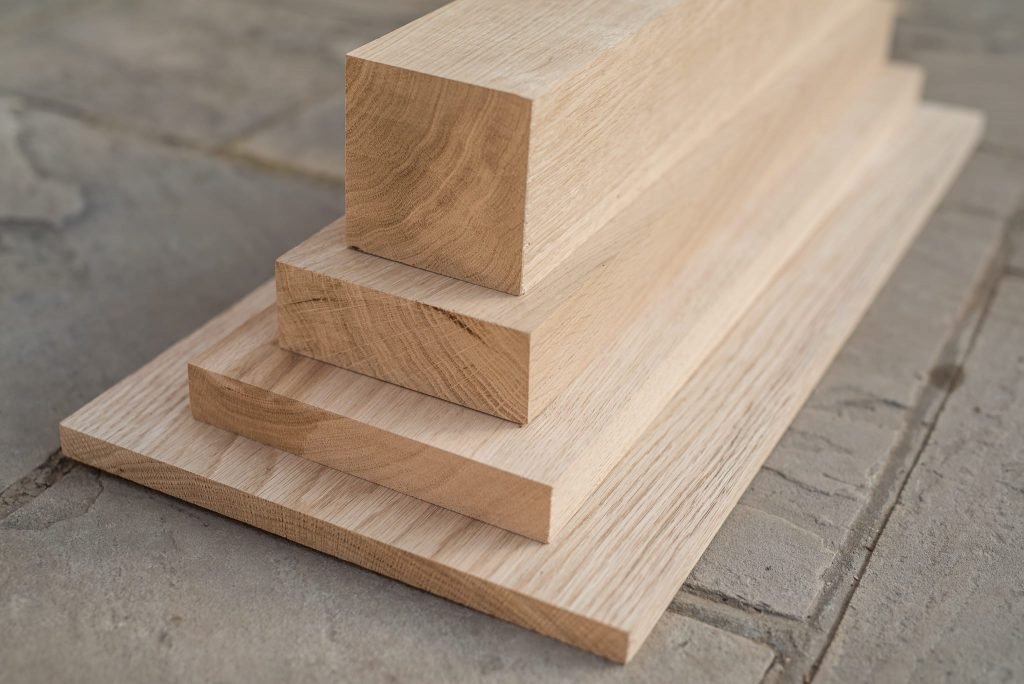
Planed all round refers to timber that has been mechanically smoothed and finished on all four sides. The process normally includes planing both wide faces and both narrow edges of a wooden piece.
Unlike rough-sawn timber, which may have uneven surfaces and visible cutting marks, planed timber has a more consistent appearance. Its dimensions are also more accurate because excess material is removed during machining.
The expression is commonly associated with finished timber products used in construction, furniture making, interior decoration, and general carpentry.
For example, a wooden board may initially have rough surfaces after being cut from a larger piece of timber. Once it passes through suitable planing equipment, all four sides become smoother and more uniform.
This makes the material easier to measure, handle, join, paint, stain, and install.
How Is Planed All Round Timber Produced?
Producing planed all round timber involves several stages. Each stage contributes to the quality and consistency of the finished product.
1. Selecting the Timber
The first step is choosing suitable raw timber. Different wood species have different characteristics, including strength, density, grain patterns, and resistance to moisture.
Common choices include pine, oak, spruce, beech, and other hardwood or softwood varieties.
The intended application determines which species is most appropriate. Furniture manufacturers may prioritize appearance and stability, while construction professionals may focus more heavily on strength and durability.
2. Initial Cutting
After selecting the wood, manufacturers cut it into the required approximate dimensions.
At this stage, the timber may still have rough surfaces, irregular edges, and small dimensional variations.
The initial cutting process prepares the material for further machining.
3. Surface Planing
The timber is passed through specialized machinery designed to remove thin layers of wood.
The machine gradually creates smooth surfaces while helping establish consistent thickness and width.
Both wide faces and narrow edges are processed to achieve the finished all-round appearance.
4. Quality Inspection
Once machining is complete, the timber is inspected for surface defects, dimensional accuracy, and overall quality.
Manufacturers may check for excessive warping, deep marks, splits, and other imperfections.
This final inspection helps ensure that the material meets the requirements of its intended application.
Key Features of Planed All Round Timber
Planed all round timber offers several characteristics that make it popular among professionals and DIY enthusiasts.
Smooth Surfaces
One of its most recognizable features is its smooth finish. The planing process removes many rough areas and cutting marks, creating a more refined appearance.
Smooth surfaces are particularly useful for furniture, shelving, decorative panels, and interior woodwork.
Consistent Dimensions
Accurate dimensions make woodworking projects easier to organize. When timber has a consistent width and thickness, builders can calculate measurements more confidently.
This reduces unnecessary adjustments during installation and assembly.
Improved Appearance
Natural wood already has attractive grain patterns, but rough surfaces can hide some of its visual appeal.
Planing helps reveal the grain and creates a cleaner finish. This makes the material suitable for projects where appearance matters.
Easier Handling
Rough timber can have splinters, uneven edges, and difficult surfaces. Properly planed wood is generally easier to handle and work with.
However, users should still inspect the material and follow appropriate workshop safety practices.
Versatile Applications
Planed all round timber can be used in numerous projects, ranging from basic household repairs to professional furniture manufacturing.
Its versatility is one of the main reasons it remains a popular timber option.
Common Uses of Planed All Round Timber
The practical value of planed all round timber becomes clearer when examining its applications.
Furniture Manufacturing
Furniture production is one of the most common uses of finished timber.
Manufacturers use planed wood to produce tables, chairs, cabinets, wardrobes, desks, and bookshelves.
Smooth surfaces make finishing easier and help create attractive furniture pieces. Consistent dimensions also simplify cutting, joining, and assembly.
Interior Decoration
Interior designers frequently incorporate natural wood into residential and commercial spaces.
Planed timber can be used for decorative wall features, ceiling details, window frames, door surrounds, and wooden trim.
Its clean appearance makes it suitable for traditional and contemporary interior styles.
Shelving and Storage
Wooden shelves need consistent dimensions and reasonably smooth surfaces.
Planed timber is useful for making storage units, floating shelves, display racks, and garage organizers.
Its appearance can be enhanced with paint, varnish, oil, or wood stain.
Construction Projects
Builders may use planed timber for selected interior construction applications, including framing details, finishing work, and architectural features.
However, not every planed board is automatically suitable for structural use. Load requirements, timber grading, moisture content, and applicable building regulations must also be considered.
DIY Woodworking
DIY enthusiasts appreciate materials that are easier to measure, cut, and assemble.
Planed all round timber can be used for small household projects such as picture frames, garden furniture, decorative boxes, workbenches, and wooden organizers.
It allows beginners to spend more time developing their woodworking skills rather than correcting heavily uneven surfaces.
Advantages of Choosing Planed All Round Timber
There are several reasons why buyers choose finished timber instead of untreated rough-sawn alternatives.
Reduced Preparation Work
One major advantage is that much of the initial surface preparation has already been completed.
With rough timber, users may need to spend considerable time planing and smoothing the material before using it.
Planed timber reduces this workload, although additional sanding may still be necessary for premium finishing projects.
Better Project Accuracy
Accurate dimensions help improve the overall consistency of woodworking projects.
When boards have similar thicknesses and widths, it becomes easier to create aligned joints, straight edges, and balanced structures.
Professional Appearance
The smooth finish gives completed projects a more refined look.
This is especially important when wooden components remain visible after installation.
Convenient Installation
Finished surfaces can simplify certain installation tasks because they require fewer preliminary adjustments.
This can be helpful for carpenters working on doors, furniture, interior fittings, and decorative elements.
Greater Design Flexibility
Planed timber can be painted, stained, varnished, polished, or treated with protective oils.
This flexibility allows designers and homeowners to achieve different visual styles.
Planed All Round vs. Rough-Sawn Timber
Understanding the difference between these two timber types can help buyers make better purchasing decisions.
Rough-sawn timber is generally produced through initial sawing operations. Its surfaces may contain saw marks and dimensional irregularities.
Planed all round timber receives additional machining to smooth all four sides and improve dimensional consistency.
The differences can be summarized as follows:
| Feature | Planed All Round | Rough-Sawn |
|---|---|---|
| Surface | Smooth and finished | Rough and unfinished |
| Dimensions | More consistent | May vary |
| Appearance | Refined | Natural and coarse |
| Preparation | Usually requires less work | Often needs additional machining |
| Applications | Furniture and finishing | Construction and general woodworking |
| Initial cost | Often higher | Often lower |
Neither option is universally better. The correct choice depends on the project’s requirements, budget, and desired finish.
How to Choose Quality Planed All Round Timber
Selecting suitable timber requires more than simply checking whether its surfaces look smooth.
Several important factors should be considered.
Check the Surface Quality
Inspect all four sides carefully. Look for deep scratches, rough patches, machining marks, and damaged edges.
A quality product should have a reasonably consistent finish appropriate for its intended use.
Examine Straightness
Place the timber on a flat surface or look along its length to identify visible bending or twisting.
Excessive warping can create difficulties during installation and assembly.
Verify Measurements
Always confirm the actual thickness, width, and length before purchasing.
Remember that planing removes material, so finished dimensions are usually smaller than the original rough-sawn measurements.
Consider Moisture Content
Wood naturally absorbs and releases moisture depending on its environment.
Timber with unsuitable moisture content may shrink, expand, or warp after installation.
For indoor furniture and finishing applications, properly dried and acclimatized timber is generally preferable.
Choose the Appropriate Wood Species
Different projects require different wood characteristics.
Softwoods are often economical and easy to work with, while hardwoods may provide greater density, durability, or distinctive grain patterns.
The best option depends on the intended purpose.
Finishing and Maintaining Planed All Round Wood
Although planed timber has already received surface machining, it may still benefit from additional finishing.
Sanding is often used to remove minor marks and prepare the wood for coatings.
After sanding, users can apply suitable wood finishes depending on the desired appearance and level of protection.
Varnish can create a protective surface, while oils may emphasize natural grain patterns. Paint provides an opportunity to introduce different colors and decorative styles.
Maintenance is equally important. Wooden furniture should be protected from excessive moisture, direct heat, and prolonged exposure to harsh environmental conditions.
Regular cleaning with suitable products can help preserve its appearance.
For outdoor applications, additional weather protection is necessary. Not all planed timber is treated or suitable for exterior exposure.
Common Mistakes to Avoid
Even though planed timber is relatively convenient to use, certain mistakes can affect project quality.
One common mistake is assuming that smooth timber is automatically straight and defect-free. A board can have a smooth surface while still containing internal stresses or visible distortion.
Another mistake is ignoring moisture content. Wood that has not been properly dried may change dimensions after installation.
Buyers should also avoid confusing finished dimensions with nominal dimensions. Always check the supplier’s measurements rather than relying on assumptions.
Finally, choosing timber based entirely on price can create problems. The cheapest material may not provide the quality, stability, or durability required for a particular project.
Is Planed All Round Timber Worth the Investment?
For many woodworking and construction applications, planed all round timber offers excellent practical value.
Although it may cost more than rough-sawn timber, the additional machining can save preparation time and improve the consistency of the final project.
For professional carpenters, this can make work more efficient. For homeowners, it can simplify DIY projects and reduce the need for specialized preparation equipment.
However, rough-sawn timber may still be a sensible choice when working with large quantities, undertaking heavy construction tasks, or planning to perform the machining independently.
The best decision comes from comparing the total project cost rather than considering the purchase price alone.
The Future of Planed Timber in Modern Woodworking
Modern woodworking continues to benefit from improvements in machining technology.
Advanced planing equipment allows manufacturers to produce timber with more consistent dimensions and smoother surfaces.
Automation can also improve production efficiency by reducing manual handling and maintaining repeatable machining settings.
At the same time, growing interest in sustainable construction has increased attention toward responsible timber sourcing.
Buyers are becoming more interested in wood certification, efficient manufacturing processes, waste reduction, and the long-term environmental impact of building materials.
These developments suggest that finished timber products will continue to play an important role in furniture manufacturing, construction, and interior design.
Conclusion
Planed all round is an important timber-finishing concept that describes wood machined on all four sides to create smoother surfaces and more consistent dimensions. It offers practical advantages for furniture production, interior decoration, construction finishing, and DIY woodworking.
Its smooth appearance, convenient handling, and versatility make it a useful choice for many projects. Nevertheless, selecting quality timber requires attention to measurements, moisture content, straightness, wood species, and intended application.
Whether someone is building furniture, installing shelves, improving a home, or working professionally as a carpenter, understanding planed all round timber can lead to better material choices and more successful results.
Ultimately, the value of properly finished timber comes from the combination of appearance, practicality, and preparation. Choosing the right product for the right purpose helps ensure that every woodworking project starts with a reliable foundation.
