
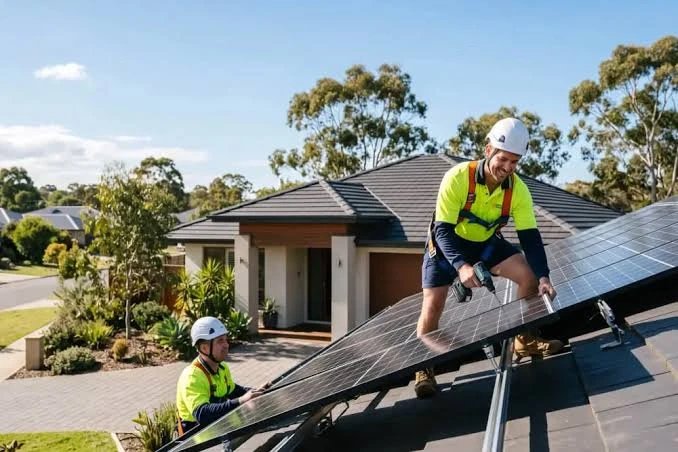
Installing solar can be one of the bigger upgrades you make to your home. Done properly, a system can generate electricity for years while reducing how much power you need to buy from the grid. Done poorly, it can leave you dealing with disappointing output, confusing warranties, or equipment that wasn’t right for your household in the first place.
That’s why choosing an installer deserves at least as much attention as choosing the panels themselves. A good quote isn’t simply a price attached to a certain number of kilowatts. It should show that someone has actually considered your roof, electricity use, equipment, and plans for the property.
So, before you sign anything, here’s what deserves a closer look.
Start With Your Home, Not a Solar Package
It’s easy to shop for solar by looking at advertised system sizes. You see a 6.6 kW package, compare it with another 6.6 kW package, and assume you’re comparing roughly the same thing.
You’re not necessarily.
Two homes can use exactly the same amount of electricity each month but need different solar designs. One household might consume most of its power during daylight hours, while another uses very little until everyone gets home in the evening.
Roof conditions matter too. Orientation, available space and shading can all affect how a system should be designed.
A capable installer should therefore ask questions before recommending equipment. Recent electricity bills are useful, but your daily habits matter as well. Tell them if you’re planning to buy an electric vehicle, replace gas appliances with electric ones, install a pool, work from home more often, or add a battery later.
Those changes can affect what makes sense today.
Look Closely at Who Will Do the Installation
The company selling the system and the people installing it aren’t always the same.
That isn’t automatically a problem, but you should know who’s responsible for the work before signing a contract. Ask whether the installation is completed by the company’s own team or subcontracted to another crew.
Then ask what happens after the installation.
If something needs attention six months later, who do you call? Who handles workmanship problems? Who deals with an inverter fault? You shouldn’t have to work out the chain of responsibility after something has already gone wrong.
When comparing trusted solar installers in Melbourne, pay attention to how clearly each provider explains responsibility for design, installation and ongoing support.
Straight answers now can prevent a lot of phone calls later.
Don’t Compare Quotes by Price Alone
Everyone has a budget, and there’s nothing wrong with looking for good value. The problem starts when the total price becomes the only number you compare.
Suppose you receive three quotes:
One is noticeably cheaper. Another sits somewhere in the middle. The third costs considerably more.
The cheapest option might genuinely be a good deal. Or there could be meaningful differences hiding underneath that headline figure.
Check the Actual Equipment
Your quote should identify the equipment being proposed, rather than simply saying “solar panels and inverter.”
Look for details such as:
- Panel manufacturer and model
- Inverter manufacturer and model
- Number of panels
- Total system capacity
- Monitoring equipment
- Battery compatibility, if relevant
This lets you compare the actual systems rather than comparing two prices that happen to have the same capacity printed beside them.
Ask What’s Included in the Price
You also want to know whether additional electrical work could change the final bill.
For example, an older switchboard may require work before a new solar system can be connected safely. Access difficulties or unusual roof conditions can affect an installation too.
Ask about possible extra costs before installation day. A detailed quote should leave fewer opportunities for unpleasant surprises.
Pay Attention to the Design
Solar panels don’t need perfect summer sunshine to generate electricity, but their position has a major influence on production.
A system designer should consider roof orientation, tilt and shading when deciding where panels should go.
That becomes particularly important on complicated roofs. A large tree, chimney or neighbouring building might cast shade across part of the array at certain times. Simply squeezing the maximum possible number of panels onto the roof isn’t always the smartest approach.
Ask the installer to explain the proposed layout.
You don’t need to become a solar engineer. You just want a sensible explanation of why the panels are going where they’re going and what level of generation you can reasonably expect.
If the proposal includes estimated annual production, ask what assumptions were used to calculate it.
Understand the Different Warranties
“25-year warranty” sounds reassuring, but that phrase doesn’t tell you everything.
A solar installation can involve several separate warranties covering different things. Panels can have product and performance warranties. Inverters usually have their own warranty. The installer may provide a separate workmanship warranty covering the installation itself.
Read each one individually.
Pay particular attention to who handles a claim. If a component fails, will the installer organise the process, or will you need to contact the manufacturer yourself?
Also check whether labour associated with replacing faulty equipment is covered. A replacement component isn’t quite as attractive if getting it onto your roof creates another significant bill.
Ask About Monitoring Before Installation
Modern solar systems can often provide monitoring that lets you check production through an app or online portal.
Don’t wait until installation is finished to ask how this works.
Find out what you’ll be able to see, who sets up your account and what happens if the system stops reporting correctly. Ideally, you should understand how to perform a basic check of your system without needing to climb onto the roof.
Monitoring can also help you change when you use electricity.
Running appliances when your panels are producing strongly, for example, may allow you to consume more of the electricity you’re generating rather than purchasing that power from the grid later.
Think About Your Next Five Years
Your current electricity use shouldn’t be the only consideration.
Homes are becoming increasingly electric. Someone installing solar today might add an EV charger, induction cooktop, electric hot-water system or home battery a few years from now.
Tell the installer about anything you’re seriously considering.
You don’t necessarily need to buy equipment for those future plans now. In some cases, however, choosing a different inverter or designing the system differently could make an upgrade easier later.
This is especially useful when you’re undecided about battery storage. Ask what would be involved if you installed solar now and added a battery in the future.
Watch How the Installer Answers Questions
Technical knowledge matters, but communication tells you plenty about a company too.
You should be able to ask basic questions without feeling pressured into making an immediate decision.
Try asking:
What output do you expect from this design? Why did you recommend this system size? What happens if the inverter fails? Who handles warranty claims? Could I add a battery later?
The quality of the answers matters more than how quickly they’re delivered.
A trustworthy installer should be comfortable explaining trade-offs. Sometimes a bigger system makes sense. Sometimes it doesn’t. Sometimes a battery suits a household’s usage pattern, while another household may be better served by solar alone.
Good advice shouldn’t sound identical for every property.
Keep the Long Term in Mind
Solar is unusual because the installation itself may take only a short time, yet you’ll expect the system to keep working for many years.
That changes how you should shop.
The cheapest upfront option isn’t automatically poor value, just as the most expensive quote isn’t automatically the best. What matters is what you’re receiving for the money: appropriate system design, suitable equipment, careful installation, understandable warranty coverage and support after the installers leave.
Take your time comparing those details.
A few extra questions before signing can reveal far more than another hour spent comparing panel specifications. The goal isn’t simply to put solar panels on your roof. It’s to end up with a system designed around your home and electricity use, installed by people you’ll be comfortable contacting again if you need them years from now.
