
As the leaves change color and temperatures start to dip, most homeowners begin thinking about cozy nights by the fire. But before you strike that first match of the season, there’s one task that deserves your attention: making sure your chimney is actually safe to use.
Chimney fires cause thousands of house fires every year, and many of them are entirely preventable. A buildup of creosote, a cracked flue liner, or a blocked chimney cap can turn a relaxing evening into a dangerous emergency. The good news? A little preparation now can save you from a world of stress later.
At Smoke Alert Home Fire Safety, we’ve seen firsthand how a small amount of seasonal maintenance makes a big difference. This post will walk you through why fall is the ideal time to check on your chimney, what warning signs to watch for, and how professional help can keep your home and family protected all winter long.
What Happens Inside Your Chimney During Summer Months?
Chimneys don’t get much use during the warmer months, but that doesn’t mean they’re sitting idle and problem-free. Birds and squirrels often build nests inside unused flues. Rain and humidity can seep into cracks, weakening the structure over time. Debris like leaves and twigs can also pile up near the chimney cap, creating blockages you won’t notice until you try to light your first fire.
These issues might seem minor, but they can have serious consequences. A blocked or damaged chimney restricts airflow, which causes smoke and dangerous gases like carbon monoxide to back up into your living space instead of escaping outside. That’s a risk no homeowner should take lightly.
Why Does Creosote Buildup Matter So Much?
If you used your fireplace regularly last winter, there’s a good chance creosote has accumulated inside your chimney. Creosote is a dark, tar-like substance that forms when wood doesn’t burn completely. It’s highly flammable, and even a thin layer can ignite under the right conditions.
The National Fire Protection Association recommends that chimneys, fireplaces, and vents be inspected at least once a year, regardless of how frequently they’re used. Removing creosote buildup isn’t just about keeping things tidy. It’s one of the most effective ways to prevent a chimney fire before it starts.
How Can You Tell If Your Chimney Needs Attention?
Most homeowners aren’t chimney experts, and that’s completely understandable. Still, a few warning signs are worth knowing so you can catch problems early:
- Dark or oily stains near the top of your fireplace opening
- A strong, smoky odor even when the fireplace isn’t in use
- Visible cracks or damage to the exterior chimney structure
- Puffs of smoke entering the room instead of venting outside
- Debris or animal nests blocking the flue opening
If any of these sound familiar, it’s a sign that your chimney needs more than a glance. These issues often require a trained eye to properly diagnose and resolve.
What Does a Professional Inspection Actually Involve?
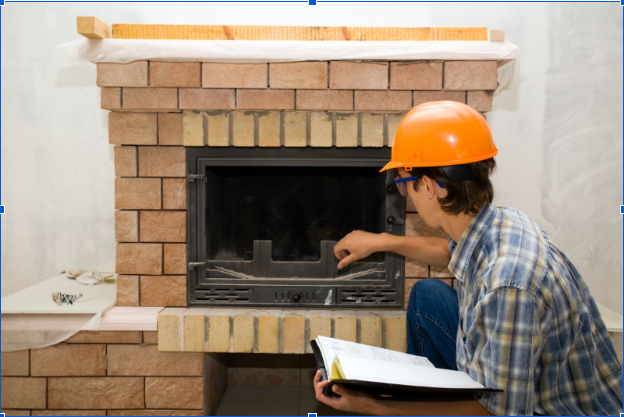
A thorough inspection goes well beyond a surface-level check. Trained technicians examine the entire chimney system, from the firebox to the flue to the exterior crown. They look for cracks, deterioration, water damage, and obstructions that could put your home at risk.
Depending on the condition of your chimney, inspectors may also recommend a cleaning to remove creosote and debris, repairs to damaged masonry, or a cap replacement to keep animals and moisture out. Each of these steps plays a role in making sure your fireplace operates safely and efficiently all season long.
Why Should You Choose Smoke Alert Home Fire Safety This Fall?
Chimney inspection services give homeowners the confidence that comes from knowing their fireplace is ready for whatever winter brings. Our technicians are trained to spot even the smallest issues before they become expensive problems, and we take pride in explaining exactly what we find in plain, straightforward language. No confusing jargon, no upselling you on services you don’t need.
We understand that your home is more than just a building. It’s where your family gathers, celebrates, and spends quiet evenings together. That’s why our team treats every inspection with the same care and attention we’d want for our own homes. From the moment we arrive to the final walkthrough, our goal is simple: help you enjoy your fireplace with total peace of mind.
Scheduling your appointment early in the fall also means you’ll beat the winter rush. As temperatures drop, demand for chimney services spikes, and waiting too long could mean delays right when you need your fireplace most. Booking now ensures you’re ready the moment the first cold snap hits.
Keep Your Family Safe All Season Long
Taking care of your chimney isn’t just another item on your fall to-do list. It’s a meaningful step toward protecting the people and the home you care about most. Small issues like creosote buildup or a cracked flue liner might not seem urgent, but left unchecked, they can lead to serious hazards down the road.
The team at Smoke Alert Home Fire Safety is ready to help you cross this task off your list with confidence. Reach out today to schedule your fall appointment and start the season knowing your fireplace is clean, safe, and ready for cozy nights ahead.
Frequently Asked Questions
How often should a chimney be inspected?
Most fire safety experts recommend an annual inspection, even if your fireplace sees light use throughout the year. Regular checkups catch small problems before they turn into costly repairs.
What’s the difference between a chimney inspection and a chimney cleaning?
An inspection evaluates the overall condition of your chimney system, while a cleaning physically removes creosote, soot, and debris. Many homeowners need both, especially after a season of regular fireplace use.
Can a damaged chimney really cause a house fire?
Yes. Cracks, blockages, and heavy creosote buildup are among the leading causes of residential chimney fires. Addressing these issues early significantly reduces that risk.
Is fall really the best time to schedule this service?
Fall is ideal because it gives you time to address any issues before cold weather arrives. Scheduling early also helps you avoid the seasonal rush that many chimney service companies experience in winter.
