
Hard water doesn’t announce itself with flashing lights or loud alarms. It works slowly, leaving behind chalky residue on your faucets, dulling your dishes, and making your skin feel tight after every shower. Most homeowners don’t realize how much damage hard water causes until they spot the telltale signs: crusty buildup around shower heads, soap that refuses to lather, and appliances that wear out years before their time.
The good news? None of this is permanent. A properly installed water softening system can transform your home’s water quality almost overnight, protecting your plumbing, your appliances, and your daily comfort for years to come.
At CleanLine Water Co, we’ve helped countless homeowners trade scaly pipes and spotty dishes for soft, silky water that actually feels good on your skin. In this post, we’ll break down what hard water does to your home, how a water softener works, and what you should expect when it’s time to get one installed.
What Does Hard Water Actually Do to Your Home?
Hard water contains high concentrations of dissolved minerals, primarily calcium and magnesium. These minerals might sound harmless, but over time, they wreak havoc on everything they touch.
When hard water flows through your pipes, it leaves behind mineral deposits that build up like plaque in an artery. This buildup narrows your pipes, reduces water pressure, and eventually causes costly clogs. Your water heater suffers too. Mineral scale accumulates inside the tank, forcing it to work harder and burn more energy just to heat the same amount of water. Over several years, this added strain can shorten the lifespan of your water heater by a significant margin.
Then there’s the everyday frustration: spotty glassware, stiff laundry, and soap scum that never seems to fully rinse away. Hard water also reacts with soap to create a sticky residue that clings to your skin and hair, leaving many people feeling dry and itchy no matter how much lotion they use.
How Does a Water Softener Solve the Problem?
A water softener uses a process called ion exchange to remove calcium and magnesium from your water supply. Inside the unit, resin beads attract and trap the hard minerals, swapping them out for sodium or potassium ions instead. The result is water that flows smoothly through your pipes without leaving mineral deposits behind.
This simple but effective process delivers a surprising range of benefits:
- Longer-lasting appliances. Water heaters, dishwashers, and washing machines all run more efficiently and last longer when they’re not fighting against scale buildup.
- Softer skin and hair. Without mineral residue clinging to your skin, soap rinses away cleanly, leaving you feeling noticeably cleaner after every shower.
- Spotless dishes and glassware. Say goodbye to the cloudy film that hard water leaves behind on your favorite dishes.
- Lower energy bills. Appliances that don’t have to work against scale buildup use less energy, which can translate into real savings over time.
- Brighter, softer laundry. Clothes washed in soft water tend to retain their color and texture longer, since hard minerals won’t wear down the fabric fibers.
Signs You Might Need a Water Softener
Not sure if hard water is affecting your home? Here are a few common warning signs to watch for:
- White, chalky buildup around faucets, shower heads, and drains
- Soap and shampoo that won’t lather properly
- Dry, itchy skin after bathing
- Spots or streaks on dishes, even after washing
- Reduced water pressure throughout your home
- Appliances that need repairs more often than expected
If any of these sound familiar, it’s likely time to consider a water softening system for your home.
What to Expect From Professional Installation
Choosing the right water softener for your home depends on several factors, including your household size, water usage, and the specific hardness level of your local water supply. A qualified technician will test your water, recommend the right system size, and ensure everything is installed correctly from day one.
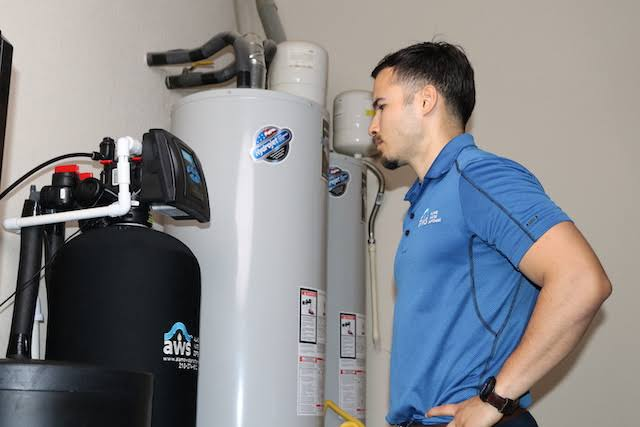
Expert Water Softener Installation gives homeowners peace of mind, knowing their new system is set up for maximum efficiency and long-term performance from the very first drop. Our technicians handle every detail, from selecting the right unit for your home’s specific needs to connecting it properly with your existing plumbing. We also walk you through maintenance basics, so you know exactly how to keep your system running smoothly for years to come.
Attempting a DIY installation might seem tempting, but water softeners involve precise plumbing connections and settings that, if done incorrectly, can lead to leaks, inefficient operation, or even damage to your system. Professional installation ensures your softener is calibrated correctly for your home’s water hardness level, giving you the best possible results from day one.
How Long Does Installation Take?
Most residential water softener installations can be completed in a single day, depending on your home’s plumbing layout and the type of system you choose. Our team works efficiently to minimize disruption to your household, so you can start enjoying soft water as quickly as possible.
Investing in Better Water Quality
Hard water might seem like a minor inconvenience, but its effects add up over time, damaging appliances, wearing down plumbing, and making everyday tasks more frustrating than they need to be. Installing a water softener is one of the simplest ways to protect your home and improve your daily quality of life.
If you’ve noticed any signs of hard water in your home, don’t wait for the problem to get worse. Reach out to CleanLine Water Co today to schedule a consultation and discover how soft water can transform your home, one drop at a time.
Frequently Asked Questions
How often does a water softener need maintenance?
Most water softeners need salt refills every four to six weeks, along with an annual checkup to ensure the resin bed and valves are functioning properly.
Will a water softener affect my drinking water taste?
Many homeowners notice that softened water tastes slightly different due to the sodium exchange process. If you prefer, a reverse osmosis system can be paired with your softener to improve drinking water taste further.
Is softened water safe for everyone to drink?
Softened water is safe for most people, though those on sodium-restricted diets may want to consult their doctor or consider a potassium-based system instead.
How long does a water softener typically last?
With proper maintenance, a quality water softener can last between 10 and 15 years before needing replacement.
