
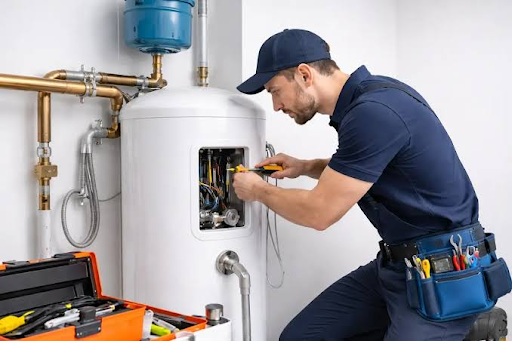
Nothing derails a morning faster than stepping into an ice-cold shower. Your water heater works quietly in the background of daily life until the moment it doesn’t, and by then, you’re usually dealing with a mess, a spike in your utility bill, or both. At LCI Plumbing & Septic, we see this scenario play out constantly: homeowners wait until a minor issue becomes a major headache before calling for help.
The truth is, most water heater problems give off warning signs well before total failure. A strange noise here, a lukewarm shower there, a slightly discolored tap. These small signals are your water heater’s way of asking for attention. Catching them early doesn’t just save you from inconvenience; it can extend the life of your unit by years and keep repair costs manageable.
This post walks through the most common water heater issues, how to spot them, and why professional repair makes all the difference for your home’s comfort and safety.
Common Signs Your Water Heater Needs Attention
Your water heater rarely fails without warning. Here are the signals homeowners should never ignore:
Inconsistent water temperature. If your showers swing between scalding and freezing, your heating element or thermostat may be malfunctioning.
Strange noises. Popping, rumbling, or banging sounds usually indicate sediment buildup at the bottom of the tank, which forces your unit to work harder and wears it out faster.
Discolored water. Rusty or murky water often points to corrosion inside the tank, a sign that internal components may be deteriorating.
Leaks around the base. Even small puddles can signal a cracked tank or loose fitting, both of which can escalate into bigger problems if left unaddressed.
Unpleasant odors. A sulfur-like or metallic smell coming from your hot water could mean bacteria buildup or a failing anode rod.
Rising energy bills. An inefficient water heater has to work overtime to maintain temperature, and that extra effort shows up on your monthly utility statement.
If any of these sound familiar, it’s worth having a professional take a closer look before the issue worsens.
What Causes Most Water Heater Problems?
Understanding the root causes behind water heater trouble helps homeowners make smarter decisions about maintenance and timing.
Sediment and Mineral Buildup
Over time, minerals from your water supply settle at the bottom of the tank. This buildup insulates the water from the heating element, forcing your system to consume more energy to reach the same temperature. Left unchecked, sediment can also damage the tank lining and shorten its overall lifespan.
Aging Components
Anode rods, thermostats, and heating elements all have a functional lifespan. As these parts wear down, performance suffers. Most water heaters last between 8 and 12 years, and component failure becomes more frequent as a unit approaches the end of that range.
Pressure Issues
Excess pressure inside the tank, often caused by a faulty pressure relief valve, can lead to leaks or even more serious safety concerns. Regular inspection of this valve is one of the simplest ways to prevent bigger issues down the line.
Improper Installation or Sizing
A water heater that’s too small for your household’s needs will constantly struggle to keep up with demand, leading to premature wear. Likewise, poor installation can create inefficiencies that shorten a unit’s lifespan from day one.
DIY vs. Professional Repair: What’s the Difference?
It’s tempting to search for a quick fix online, especially when you’re trying to save money. Some basic maintenance, like flushing your tank annually to clear sediment, is reasonable for homeowners comfortable with the process.
However, water heaters involve a combination of electrical components, gas lines (for gas units), and pressurized systems. Mistakes in these areas aren’t just inconvenient; they can be dangerous. A mishandled repair can lead to electrical shock, gas leaks, or scalding water exposure.
Professional technicians bring diagnostic tools and experience that go beyond surface-level troubleshooting. They can identify issues you might not even know to look for, such as early-stage corrosion or a thermostat that’s slightly miscalibrated but not yet completely failed. This level of insight helps prevent small problems from becoming costly replacements.
How Often Should You Schedule Maintenance?
Most plumbing professionals recommend an annual inspection for residential water heaters. During this visit, a technician typically flushes the tank, checks the anode rod, tests the pressure relief valve, and inspects for any signs of corrosion or leaks.
Homes with hard water may benefit from more frequent maintenance, since mineral buildup tends to accumulate faster in these conditions. If you’ve never had your water heater serviced, scheduling an inspection now is a smart way to establish a baseline and catch any existing issues before they grow.
When It’s Time to Call a Professional
Trustworthy water heater repair starts with knowing when a problem is beyond a simple fix, and that’s exactly where our team at LCI Plumbing & Septic steps in. We understand that water heater issues rarely happen at a convenient time, which is why we prioritize fast, thorough diagnostics to get your hot water back up and running without unnecessary delays.
Our technicians are trained to handle everything from minor thermostat adjustments to full component replacements, and we take the time to explain what’s happening with your system so you can make informed decisions. Whether you’re dealing with a noisy tank, inconsistent temperatures, or a unit that’s simply reached the end of its reliable years, we approach every job with the same commitment to quality workmanship and clear communication.
We also believe in transparency when it comes to cost and timeline. Before any work begins, our team walks you through the diagnosis, the recommended solution, and what to expect, so there are no surprises on your invoice or in your schedule.
Protecting Your Home’s Comfort for the Long Run
A well-maintained water heater is one of those household essentials that’s easy to overlook until something goes wrong. By paying attention to early warning signs and scheduling regular maintenance, you can avoid the inconvenience of a sudden breakdown and extend the life of your system significantly.
If your water heater has been acting up, or if it’s simply been a while since its last inspection, reach out to LCI Plumbing & Septic. Our team is ready to help keep your home’s hot water flowing reliably, season after season.
Frequently Asked Questions
How long does a typical water heater repair take?
Most repairs can be completed within a few hours, depending on the complexity of the issue. Simple fixes like thermostat replacement are often quick, while more involved repairs, such as addressing tank corrosion, may take longer.
Is it better to repair or replace an aging water heater?
If your unit is under 8 years old and the repair cost is reasonable, repair is usually the more cost-effective choice. For units nearing or past the 10-year mark with recurring issues, replacement may offer better long-term value.
Can a faulty water heater be a safety hazard?
Yes. Issues like a malfunctioning pressure relief valve or gas leaks (in gas-powered units) can pose serious safety risks. These issues should always be addressed by a licensed professional.
What’s the average lifespan of a residential water heater?
Most tank-style water heaters last between 8 and 12 years with proper maintenance, while tankless units can last considerably longer.
