
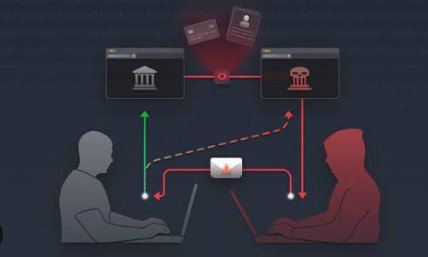
Web application security depends on more than strong passwords and encrypted connections. Many attacks target the trust between a user’s browser and a web application. One of the most important examples is Cross-Site Request Forgery (CSRF). This attack happens when a malicious website tricks a logged-in user’s browser into sending an unwanted request to another trusted site. If the target application accepts the request, actions may be performed without the user’s real intent.
This is why CSRF token management is a critical part of secure full stack development. A CSRF token is a unique, server-generated secret attached to forms or requests. The server validates this token before processing the request, helping confirm that the submission came from a legitimate source. These security practices are often taught in a full stack development course, where learners explore how frontend forms and backend validation work together to prevent common attacks.
Understanding What CSRF Is
CSRF exploits the fact that browsers automatically send cookies and session data with requests to websites where users are already authenticated. If a user is logged in to a banking site, shopping platform, or admin panel, a malicious page may attempt to trigger a hidden form submission or background request.
How the Attack Works
Imagine a user is logged into an application in one browser tab. In another tab, they visit a malicious website. That website may contain code that sends a request to the trusted application, such as to change account details or submit a transaction. Because the browser includes the valid session cookie, the application may treat the request as genuine unless extra protection is in place.
Why It Is Dangerous
CSRF attacks can lead to harmful actions such as:
- Changing passwords or email addresses
- Making unauthorised purchases
- Updating account settings
- Submitting admin actions in internal systems
The danger is not that the attacker steals the session directly, but that they misuse the user’s existing authenticated session.
How CSRF Tokens Prevent This Attack
CSRF tokens work by adding a secret value that the attacker cannot easily predict or obtain. The server creates this token and associates it with the user’s session or a specific request. When the user submits a form, the token is sent along with the request. The server then checks whether the token matches the expected value.
Why This Validation Matters
A malicious website can often force a browser to send a request, but it usually cannot read the actual CSRF token from the trusted site due to browser security restrictions. As a result, the attacker cannot provide the correct token value. If the token is missing or incorrect, the server rejects the request.
Key Benefits of CSRF Tokens
Proper token management provides important security benefits:
- Confirms that the request came from an approved application flow
- Prevents unauthorised form submissions from external websites
- Adds a strong layer of defence for state-changing actions
- Supports secure handling of sessions in browser-based applications
This makes CSRF protection especially important for forms that update, delete, or create data.
Best Practices for CSRF Token Management
Using a token alone is not enough. Developers must manage tokens properly to make the protection reliable.
Generate Strong, Unique Tokens
Tokens should be created securely on the server using unpredictable values. Weak or reusable tokens can reduce the effectiveness of the protection. Each token should be difficult to guess and tied to a valid user session.
Validate on Sensitive Requests
CSRF checks should be applied to requests that change data or trigger important actions. This includes POST, PUT, PATCH, and DELETE operations in most applications. Safe read-only requests usually do not need the same treatment, although design decisions may vary.
Store and Send Tokens Securely
The token is often included as a hidden field in HTML forms or sent in custom headers for asynchronous requests. It should be transmitted securely over HTTPS to prevent interception. Developers should also ensure that token exposure is minimised in logs or error messages.
Expire or Rotate Tokens When Needed
Some systems use session-based tokens, while others rotate tokens more frequently for added protection. The right approach depends on the application design, but tokens should not remain valid indefinitely without good reason.
CSRF Protection Beyond Tokens
CSRF tokens are highly effective, but they work best when combined with other security measures. Full stack developers should think in layers rather than relying on one control alone.
SameSite Cookie Settings
Modern browsers support SameSite cookie attributes that restrict when cookies are sent with cross-site requests. Setting cookies to SameSite=Lax or SameSite=Strict can reduce CSRF risk significantly, depending on the application’s requirements.
Origin and Referrer Checks
Servers can inspect Origin or Referrer headers to check whether a request came from an expected domain. These checks are useful as an additional safeguard, though they should not replace token validation completely.
Limit Risky Actions
Applications should avoid allowing critical state changes through simple GET requests. Sensitive operations should require proper HTTP methods and server-side validation, including CSRF checks where appropriate.
Practical Relevance for Full Stack Developers
CSRF protection is not just a backend issue. Full stack developers must understand how forms, cookies, sessions, frontend frameworks, and server validation all work together. A frontend form may submit the token, but the backend must generate, store, and verify it correctly.
In single-page applications, developers often need to send tokens through request headers when making API calls. In traditional server-rendered applications, hidden form fields are commonly used. In both cases, the principle remains the same: the server must verify that the request came from a trusted source and not from an external site.
Learning to implement this correctly is an important part of secure software development. Many developers first gain practical exposure to this topic in a full stack development course, where they work on authentication flows, form handling, and secure session management in realistic projects.
Conclusion
Cross-Site Request Forgery is a serious web security risk because it abuses the trust between a browser and an authenticated application. Without proper defences, attackers can cause users to perform actions they never intended. CSRF tokens help solve this problem by introducing unique, server-generated secrets that validate the origin of submitted requests.
For full stack developers, CSRF token management is a core security skill. When combined with secure cookies, proper request design, and careful backend validation, it forms a strong defence against unauthorised actions. Building secure applications requires attention to these details at every layer, and CSRF protection remains an essential part of that responsibility.
