
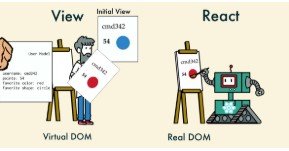
Modern web applications demand speed and responsiveness. Users expect pages to update instantly without delays or visual glitches. To meet these expectations, frameworks like React introduced the Virtual DOM, a lightweight copy of the real DOM that helps manage UI updates efficiently. By understanding this underlying mechanism, developers gain insight into why modern frontend frameworks perform so well compared to traditional approaches.
What Is the DOM and Why Does It Matter?
The Document Object Model (DOM) is a tree-like structure that the browser creates when it loads an HTML page. Every element on the page, such as headings, paragraphs, and buttons, becomes a node in this tree. JavaScript can read and modify these nodes to update what the user sees.
The problem is that directly manipulating the real DOM is expensive. Every time a change is made, the browser may recalculate styles, reflow the layout, and repaint the screen. When updates occur frequently, these operations pile up and noticeably slow down the application.
Understanding the Virtual DOM
The Virtual DOM is a JavaScript object that mirrors the structure of the real DOM. Instead of interacting with the browser’s DOM directly, frameworks like React first apply all changes to this in-memory copy.
Here is how the process works step by step:
- Render: When the application state changes, the framework creates a new Virtual DOM tree representing the updated UI.
- Diffing: The framework compares the new Virtual DOM tree with the previous one. This comparison process is called “diffing.”
- Patching: Only the parts of the real DOM that actually changed are updated. This targeted update is called “reconciliation.”
This approach significantly reduces the number of direct DOM operations. Instead of rewriting the entire page, the browser only updates what is necessary.
Why the Virtual DOM Improves Performance
The Virtual DOM improves application performance by batching updates and minimising direct writes to the real DOM, leading to fewer layout recalculations and more efficient UI updates.
Batch Updates: Rather than applying changes one at a time, the Virtual DOM batches multiple updates into a single operation. This reduces layout recalculations.
Minimal DOM Writes: Writing to the real DOM is slow. The Virtual DOM limits these writes by identifying the smallest set of changes required before touching the actual browser DOM.
Predictable UI State: Because every UI update passes through the Virtual DOM first, developers can write declarative code that describes the interface’s appearance rather than manually managing state transitions.
These advantages make the Virtual DOM particularly valuable for applications with frequently updated UIs, such as dashboards and real-time interfaces.
Many learners who enrol in a full-stack developer course in coimbatore study the Virtual DOM as part of their React training, since React is one of the most widely used libraries in full-stack development today.
Virtual DOM vs Real DOM: A Quick Comparison
| Feature | Real DOM | Virtual DOM |
| Location | Browser memory | JavaScript memory |
| Update Speed | Slower due to reflow and repaint | Faster due to batching and diffing |
| Direct Manipulation | Yes | No, changes go through a copy first |
| Commonly Used In | Vanilla JavaScript | React, Vue, and similar frameworks |
The real DOM is not inherently bad. For simple, static pages, it works perfectly well. The Virtual DOM is beneficial when the application is dynamic, and updates occur frequently.
Practical Takeaways for Developers
If you are learning JavaScript or frontend frameworks, understanding the Virtual DOM helps you write better-performing code and debug UI issues more effectively. It also explains why React encourages immutable state and discourages direct DOM manipulation.
Aspiring developers who join a full-stack developer course in coimbatore will typically work with React during the frontend modules, where concepts like the Virtual DOM, component lifecycle, and state management are covered in depth. Building this foundational knowledge early makes it easier to work on complex, production-level applications later.
Conclusion
The Virtual DOM is a practical solution to a real performance challenge. Maintaining an in-memory copy of the UI structure and applying only the minimum necessary changes to the browser’s DOM helps applications stay fast and responsive. For any developer working with modern JavaScript frameworks, understanding this concept is not just useful but essential. It forms the bridge between writing clean, readable code and delivering a smooth user experience.
