
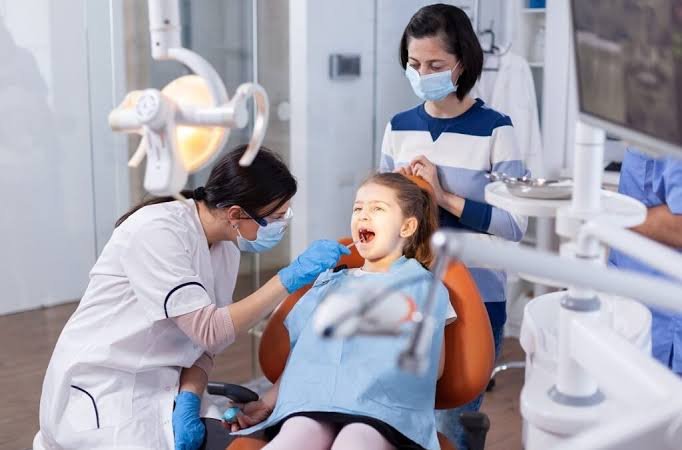
You may have heard a lot at one visit. Cavities in more than one tooth, crowding that needs watching, a child who gets scared in the chair, maybe a medical condition that changes how treatment should be done. That kind of appointment can leave you holding a treatment plan in one hand and a knot in your stomach in the other. The hard part is not only the dental work. It is trying to sort out what has to happen first, what can wait, and how your child will handle it. At Children’s Dental FunZone pediatric dentistry in Moreno Valley, families can get help making sense of those next steps.
How pediatric dentists plan care for children with several treatment needs usually comes down to three things. They look at risk, comfort, and timing. They decide which problems could get worse fastest, which treatments your child can realistically tolerate, and whether care should be spread out or grouped together. A good plan is not rushed, and it is not one size fits all.
Pediatric dental treatment planning starts with urgency, risk, and your child’s ability to cope
When a child has multiple dental issues, the first step is rarely “fix everything at once.” A pediatric dentist sorts care by priority. Pain, infection, swelling, and broken teeth usually rise to the top because they affect eating, sleeping, school, and overall health. Early decay that is not hurting yet may still need prompt attention if the child has a high cavity risk. The AAPD guidance on caries risk assessment and management supports this kind of planning, where treatment is based on how likely decay is to progress, not just how a tooth looks that day.
That matters because two children can have the same number of cavities and need very different plans. One child may sit calmly for short visits and do well with staged care. Another may be very young, highly anxious, or have sensory challenges that make even an exam hard. In that case, the dentist may recommend combining more treatment into fewer visits. The plan is shaped by the child in front of them, not by a template.
This is also where behavior support becomes part of care, not an extra. Pediatric dentists use age appropriate communication, tell show do methods, and other tools supported by the AAPD behavior guidance recommendations. If your child has ever melted down during a haircut, a doctor visit, or even toothbrushing, you already know why this matters. A treatment plan that ignores your child’s limits often falls apart halfway through.
Children with special health needs often need a different sequence of care
Some children need extra planning because of autism, ADHD, heart conditions, seizure disorders, developmental delays, or other medical needs. Medications can affect saliva, appetite, and decay risk. Mobility or communication needs can change how appointments are scheduled. Certain health conditions may also affect when treatment is safest and whether medical clearance is needed first.
The AAPD recommendations for managing dental patients with special health care needs reflect that reality. A pediatric dentist may coordinate with your child’s physician, adjust the pace of treatment, or recommend a setting with more support. That is not overreacting. It is careful planning.
Pediatric dental care planning also has a practical side that families feel right away. More visits can mean more time off work and school. Fewer, longer visits may reduce disruption but can be harder on a child who tires easily. Sedation or hospital based care may make treatment possible, but it can change cost and scheduling. Parents are often trying to weigh all of that while their child is already uncomfortable. That pressure is real.
Staged visits and combined treatment each solve different problems
A child with several treatment needs may be treated over time or in one coordinated phase. Neither option is automatically better. The right choice depends on the child’s age, anxiety level, medical history, cavity risk, and the amount of work needed.
| Approach | When it often fits | Benefits | Tradeoffs |
|---|---|---|---|
| Staged treatment over several visits | Mild to moderate treatment needs, child can cooperate for shorter visits | Less time in the chair each visit, easier to build trust, more flexibility for parents | More trips, untreated areas may worsen if visits are delayed |
| Combined treatment in fewer visits | Extensive decay, strong gag reflex, high anxiety, very young age, special health needs | Fewer appointments, treatment completed faster, less repeated stress | Longer appointments, may involve sedation or deeper behavior support |
| Urgent first, preventive next | Pain, infection, swelling, broken teeth, active decay with high risk | Relieves symptoms quickly, stabilizes the mouth, creates space for long term planning | Cosmetic or non urgent concerns may need to wait |
This is where many families feel torn. If your child needs fillings, crowns, extractions, and habit counseling, it can seem easier to push for everything at once. Sometimes that is the right call. Sometimes it is too much for the child and leads to fear that makes future care harder. A skilled pediatric dentist balances what is clinically efficient with what your child can emotionally handle.
Clear treatment plans from a pediatric dentist help families make better choices
The best plans are specific. You should know which teeth need attention now, which can be monitored, what behavior support will be used, and what the backup plan is if your child struggles during treatment. You should also know how home care fits into the plan. A child with high cavity risk may need fluoride, diet changes, and closer recall visits even after restorative work is done. Fixing teeth without changing the conditions that caused the problem often leads to more treatment later.
Children’s dental treatment planning should also include plain language about cost and timing. If a recommendation feels unclear, ask the office to rank each item by urgency. Ask what happens if one part is delayed for three months. Ask whether shorter visits, sedation, or referral to another setting would change the plan. Those are useful questions, not difficult ones.
Three steps you can take before the next appointment
Ask for a priority list. Have the dentist separate urgent care from care that can wait. “What needs treatment this month, and what can be monitored?” is often the question that brings the most relief.
Share behavior and medical details early. Tell the office if your child has sensory triggers, trouble with transitions, fear of noise, a strong gag reflex, medication changes, or past dental trauma. Small details can change the whole approach.
Get the home plan in writing. Ask for exact brushing, fluoride, diet, and follow up instructions. The right home routine can slow new decay and protect the work your child already had done.
A thoughtful plan gives your child the best chance at calmer, safer care
When your child needs several kinds of dental treatment, the goal is not speed for its own sake. The goal is steady progress with as little stress and risk as possible. A strong plan respects the mouth, the child, and the family’s real life. If you are feeling overwhelmed, that does not mean you are behind. It means you are trying to make careful choices for your child, and that is exactly what good pediatric dentistry is built to support.
