
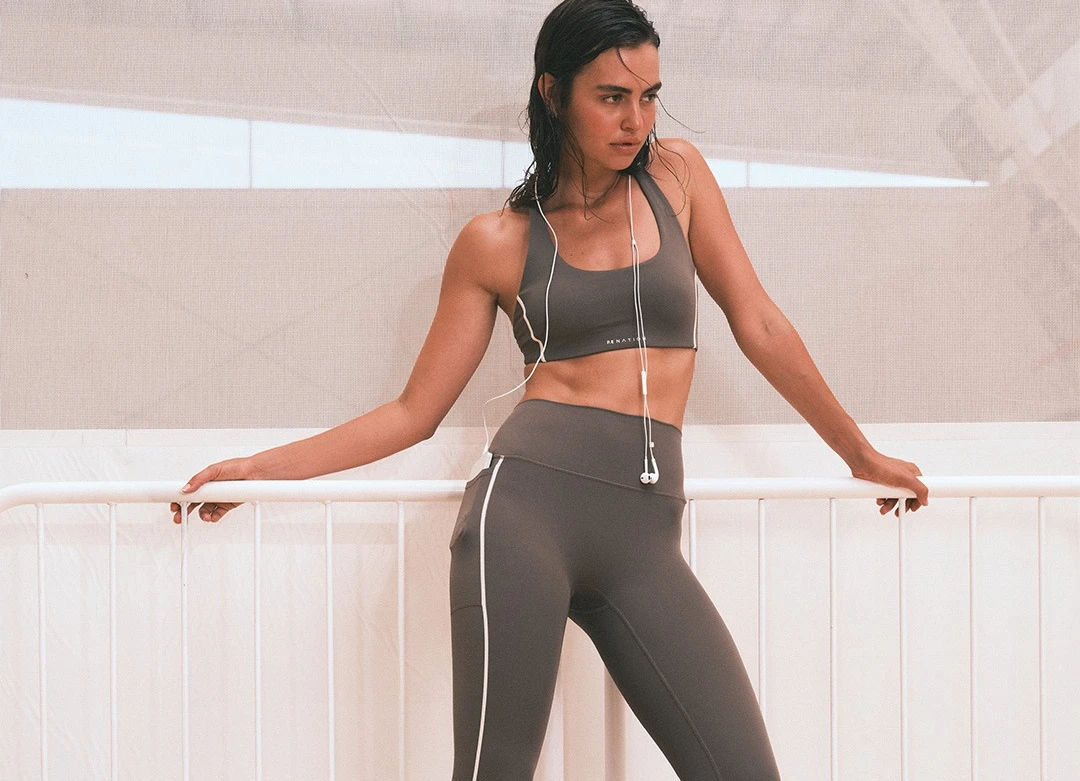
There’s a familiar disappointment that comes with buying new gym clothes. They look great when you first try them on, feel comfortable for the first few workouts, and then something changes. The waistband starts rolling down. The fabric loses its shape. Or that shirt you loved suddenly feels heavy and uncomfortable halfway through a training session.
Good gym wear shouldn’t make you think about what you’re wearing. It should let you concentrate on your workout.
For Australians who train regularly, finding reliable activewear means looking beyond colours, trendy designs, and promotional photos. The real test is how clothing performs when you’re sweating, stretching, lifting, or simply wearing it week after week.
Here’s what deserves your attention before buying your next training outfit.
Start With the Type of Training You Actually Do
Not all gym clothing is designed for the same activity. A pair of shorts that works beautifully for weightlifting might feel uncomfortable during a long run.
If your workouts mainly involve strength training, prioritise clothing that allows unrestricted movement. Squats, lunges, and deadlifts require fabric that stretches without becoming transparent or pulling awkwardly around the hips.
For cardio sessions, lightweight materials become more important. Running, cycling, and high-intensity interval training generate plenty of body heat, so breathable clothing can make a noticeable difference.
Then there’s everyday fitness. Perhaps you train three times a week, walk regularly, and wear activewear while running errands. In that case, versatility matters more than specialised performance features.
Before buying anything, ask yourself a simple question: Where will I actually wear this?
It’s surprisingly easy to spend money on features you’ll never need.
Fabric Quality Matters More Than the Price Tag
Expensive gym wear isn’t automatically better. Likewise, affordable clothing isn’t necessarily poor quality.
The difference often comes down to fabric construction.
Polyester and nylon are commonly used in activewear because they’re durable, lightweight, and generally dry faster than cotton. Elastane is frequently blended into these fabrics to provide stretch and help garments retain their shape.
Cotton can feel wonderfully soft, particularly during casual activities. However, it absorbs moisture and tends to stay damp longer, making it less practical for intense workouts.
When comparing materials, pay attention to three things:
- Breathability: Does the fabric allow heat and moisture to escape?
- Stretch recovery: Does it return to its original shape after being stretched?
- Thickness: Is it substantial enough to provide coverage without feeling excessively heavy?
You don’t need to become a textile expert. Simply understanding these characteristics can prevent disappointing purchases.
Australia’s Climate Changes What You Need
Training in Australia presents a few practical challenges, particularly during warmer months.
A comfortable winter training shirt might become unbearable during a humid summer afternoon. And anyone who’s exercised in a poorly ventilated gym knows how quickly clothing can become uncomfortable.
Lightweight, moisture-wicking fabrics are useful for warm conditions because they help move sweat away from the skin. Breathable panels and relaxed cuts can also improve comfort.
For outdoor training, consider sun protection. Some garments carry an ultraviolet protection factor (UPF) rating, which indicates how effectively the fabric blocks ultraviolet radiation.
During cooler mornings, layering works well. A lightweight outer layer that can be removed once you’ve warmed up is often more practical than one thick garment.
Your local conditions should influence what you buy, especially if you regularly train outdoors.
Check the Fit Before Falling for the Design
We’ve all seen gym outfits that look fantastic in photographs but aren’t particularly practical.
Fit is one of the biggest differences between clothing that gets worn constantly and clothing that sits untouched in a drawer.
For Leggings and Compression Clothing
Look for a waistband that stays in position when you bend, squat, or move quickly.
A waistband that feels secure while standing might roll down during exercise. Testing a few movements when trying on clothing can reveal problems immediately.
Compression should feel supportive rather than restrictive. If you’re struggling to move naturally, the garment probably isn’t right for you.
For Shirts and Training Tops
Shoulder mobility matters, especially for exercises involving overhead movements.
Raise your arms and rotate your shoulders. If the shirt pulls excessively or restricts movement, consider a different cut.
Some people prefer fitted tops, while others find relaxed designs more comfortable. Neither is inherently better.
For Shorts
Length and leg openings deserve attention.
Shorts that ride up during squats or bunch around the thighs can become distracting. Look for a design that remains comfortable throughout your usual range of movement.
The best fit is the one you barely notice while training.
Look at Construction, Not Just Appearance
A quick inspection can tell you quite a lot about how gym clothing might hold up.
Check the seams around high-stress areas such as the crotch, shoulders, and waistband. Flat seams can reduce rubbing against the skin, particularly during repetitive movements.
Stretch the fabric gently and see how it recovers. Examine stitching for loose threads or uneven construction.
If you’re shopping online, product descriptions and customer reviews become especially useful. Look for feedback from people who’ve worn the clothing through multiple workouts rather than reviews based entirely on first impressions.
When searching for the best gym wear in Australia, focus on practical details such as fabric composition, sizing information, support, and suitability for your training routine.
A stylish outfit is nice. One that still fits properly after months of regular use is even better.
Don’t Forget About Washing and Maintenance
Even well-made activewear can deteriorate quickly when it’s washed incorrectly.
High temperatures, excessive detergent, and frequent tumble drying may damage elastic fibres over time.
A few habits can help your clothing last longer.
Wash gym clothes according to their care labels, preferably using a gentle cycle when recommended. Avoid leaving sweaty garments sitting in a closed gym bag for extended periods.
Fabric softeners can sometimes interfere with moisture-wicking finishes, so check the manufacturer’s washing instructions before using them.
And don’t assume that more detergent means cleaner clothing. Excess detergent can leave residue behind, especially in synthetic fabrics.
Taking care of activewear isn’t complicated, but consistency makes a difference.
Build a Gym Wardrobe You’ll Actually Use
Buying several new outfits at once can be tempting, particularly when there’s a sale.
But a smaller collection of dependable clothing often works better than a wardrobe full of pieces you rarely wear.
Start with enough essentials to cover your weekly training schedule. Choose tops and bottoms that work together, and consider keeping a spare outfit for unexpected sessions.
Neutral colours can make mixing and matching easier, although there’s nothing wrong with brighter options if that’s what you enjoy wearing.
Spend more attention on garments you use frequently. If you train five days a week, comfortable shorts or leggings might deserve a bigger share of your clothing budget than an occasional outer layer.
Over time, you’ll learn which cuts, materials, and designs suit your body and training habits.
Choose Comfort Over Trends
Fitness clothing trends change constantly. Waistband styles, colours, cuts, and matching sets come and go.
Comfort shouldn’t be temporary.
Before purchasing new gym wear, think about your actual workouts, Australia’s changing weather, and how often you’ll wear each piece.
Check the material, examine the fit, and don’t overlook care instructions.
The right gym clothing doesn’t need to be the most expensive or the most fashionable. It simply needs to feel comfortable, move naturally with your body, and withstand regular training.
When you find clothing that does those things well, getting dressed for your next workout becomes one less thing to worry about.
