
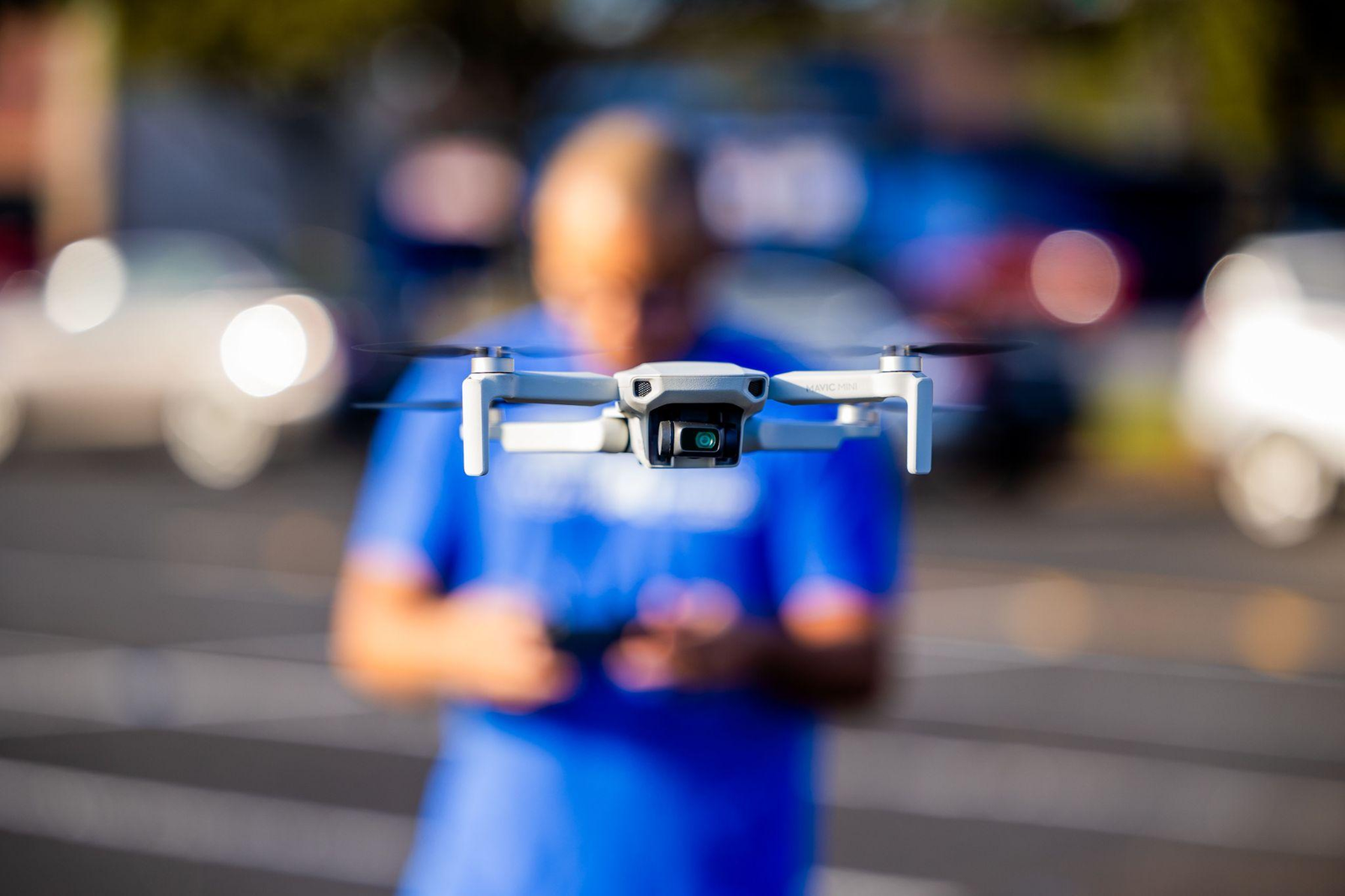
Starting a drone business in Australia looks easy on paper. Then you meet the paperwork. Licensing bodies, safety rules, industry-specific hoops – there’s a lot standing between you and your first paid flight, and a good drone with steady hands only gets you part of the way there. The upside? Knowing what’s expected before you start can spare you months of headaches and a few nasty surprises on the invoice.
Here’s what you actually need to sort out before flying a UAV commercially.
Legal Requirements and Regulatory Framework
The Civil Aviation Safety Authority (CASA) oversees every drone flight in the country. What matters is why you’re flying. The rules shift depending on whether you’re doing it for fun or for money, and commercial operators carry the heavier load – a stricter set of obligations built around public safety and keeping the airspace in order.
Planning to charge for aerial photography, mapping, or inspections? Then CASA will generally want you to hold a UAV licence, formally called a Remote Pilot Licence (RePL). That’s the line separating you from hobbyists, who get to work under simpler rules but can’t take on commercial jobs. Skip the certification and fly for profit anyway, and you’re looking at serious fines and legal messes. Better to get it sorted from day one.
Essential Qualifications and Certifications
Getting your RePL means completing an accredited course through a CASA-approved Registered Training Organisation (RTO). Expect to cover airspace regulations, flight planning, risk management, and a hands-on flying assessment. Prices and course lengths differ from one provider to the next, so shop around before you sign anything.
The RePL isn’t the end of it, though. Most commercial operators also need a ReOC (Remote Operator’s Certificate), which lets you run as your own business rather than piggybacking on someone else’s certification. Getting there involves writing up Standard Operating Procedures (SOPs) – documents that spell out how you’ll handle the risks tied to your particular work. CASA looks these over and signs off before your certification goes through.
There’s more, depending on what you fly. Bigger or more complicated UAVs can require Aircraft Type Rating endorsements, since handling varies a fair bit between models and a machine that flies one way isn’t guaranteed to behave like another.
And then there’s insurance. It’s not always a legal must, but try landing a decent contract without liability cover. Given how much damage a drone can do to property – or worse, a person – most clients and industries simply expect it. Go without, and you’ll find plenty of good work quietly out of reach.
Industry-Specific Considerations
Every industry adds its own wrinkles. Agricultural operators spraying crops or surveying land often need extra endorsements around chemical handling and low-altitude flying over rural blocks. Construction and mapping tend to put you near infrastructure or inside controlled airspace, which means coordinating carefully with CASA and local authorities.
Real estate and photography are gentler on the regulatory front, though even there you’ll bump into privacy laws and need permission before flying over someone’s property. Mining and infrastructure monitoring sit at the harder end – the environments are complex, with heavy machinery in motion and restricted zones to work around, so specialised training usually comes into play.
Figure out these industry quirks before you commit to a niche. It’s a lot cheaper than discovering a compliance gap after you’ve already taken the job.
Getting Started the Right Way
None of this is quick, and it rewards patience more than enthusiasm. Stick with it, though, and you end up with a legitimate, insurable operation that can actually grow. Start by looking into accredited RTOs near you, then work out which certifications match the industry you’re aiming for.
Spending on proper qualifications up front tends to pay off. More and more contracts now ask for verified credentials, and that expectation is only spreading as commercial drone work becomes part of everyday business across Australia.
