
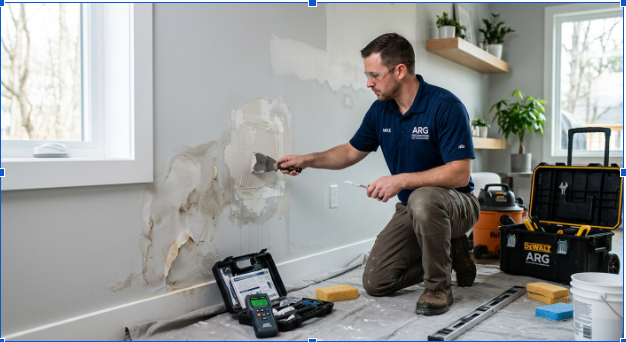
A burst pipe at 2 a.m. A flooded basement after a summer storm. A slow leak behind your washing machine that you didn’t notice until the drywall started to bubble. Water damage rarely announces itself politely, and the longer it sits, the more it costs you—in dollars, in stress, and sometimes in cherished belongings you can’t replace.
Homeowners often underestimate how quickly a small puddle can turn into a structural nightmare. Within 24 to 48 hours, standing water can seep into subfloors, warp wood, and create the perfect breeding ground for mold. That’s why knowing who to call—and how fast they can respond—matters just as much as the repair itself.
This is where ARG Restoration and Construction comes in. With a team that understands both the urgency and the technical complexity of water emergencies, ARG Restoration and Construction has built a reputation for turning chaotic situations into manageable, well-handled recoveries.
How Does Water Damage Actually Spread Through a Home?
Water doesn’t stay where it lands. It follows gravity, gaps, and porous materials, moving through walls, under flooring, and into spaces you can’t see without specialized equipment.
A leaking appliance in the kitchen might seem contained, but moisture can travel along baseboards and into adjoining rooms within hours. Basements are especially vulnerable because water pools at the lowest point of the house, often undetected until it reaches visible storage or furniture.
The materials most commonly affected include:
- Drywall, which absorbs water quickly and weakens structurally
- Wood flooring and subfloors, which can warp, buckle, or rot
- Insulation, which loses effectiveness once saturated
- Carpet and padding, which trap moisture and become breeding grounds for bacteria
Understanding this spread pattern is part of why professional assessment matters. A technician trained in moisture detection can identify hidden pockets of water that a homeowner would never find on their own.
What Should You Do in the First Hour After Discovering Water Damage?
The first sixty minutes after discovering water intrusion are critical. Acting quickly reduces the overall scope of damage and often lowers repair costs significantly.
- Stop the source if possible. Shut off the main water valve or disconnect the faulty appliance.
- Cut the power to any affected areas if water is near electrical outlets or panels.
- Document everything. Photos and videos help with insurance claims later.
- Remove valuables from standing water when it’s safe to do so.
- Call a restoration professional immediately, rather than waiting to see if the situation improves on its own.
Many homeowners make the mistake of trying to dry everything themselves with fans and towels. While this can help in the short term, it rarely addresses moisture trapped within walls or beneath flooring. Professional-grade equipment, like industrial dehumidifiers and moisture meters, is designed to reach what household tools can’t.
Why Does Professional Restoration Make Such a Difference?
Restoration isn’t just about removing visible water. It’s about preventing the secondary damage that develops over the following days and weeks—mold growth, structural weakening, and air quality issues.
A trained restoration team follows a systematic process:
Inspection and assessment. Technicians use moisture meters and thermal imaging to map the full extent of water intrusion, including areas hidden behind walls or under flooring.
Water extraction. High-powered pumps and vacuums remove standing water quickly, minimizing how long materials stay saturated.
Drying and dehumidification. Industrial-grade air movers and dehumidifiers target both visible and hidden moisture, reducing the risk of mold within the critical 24-to-48-hour window.
Cleaning and sanitizing. Affected surfaces are treated to eliminate bacteria, odors, and contaminants, especially important after flooding from external sources.
Restoration and repair. This final step rebuilds whatever was damaged, from replacing drywall and flooring to repainting and restoring the space to its original condition.
Choose a restoration company that handles all five stages under one roof if minimizing delays and miscommunication between contractors matters more to you than piecing together separate vendors for each step.
How Can You Prevent Water Damage Before It Starts?
Prevention is almost always cheaper than repair. A few proactive habits can significantly reduce your risk:
- Inspect washing machine hoses and water heater connections annually for signs of wear
- Clean gutters and downspouts regularly to prevent roof and foundation leaks
- Install a sump pump with a battery backup in basements prone to flooding
- Monitor your water bill for unexplained spikes, which can indicate a hidden leak
- Know the location of your main water shutoff valve before an emergency happens
These small steps won’t eliminate every risk, but they dramatically reduce the odds of a minor issue becoming a major one.
Why Choose ARG Restoration and Construction for Your Recovery?
Not every restoration company offers the same level of responsiveness or expertise. Protecting your home from lasting structural and financial harm starts with trusting water damage repair to a team that treats every call with urgency and precision.
ARG Restoration and Construction approaches each project with a clear focus: minimize damage, restore the property efficiently, and communicate clearly with homeowners throughout the process. From the first phone call to the final walkthrough, the goal is to make a stressful situation feel manageable.
What sets a strong restoration partner apart is the combination of fast response times, certified technicians, and a genuine commitment to doing the job right the first time. ARG Restoration and Construction brings all three to every project, whether it’s a small leak or a full basement flood.
Taking the Next Step
Water damage doesn’t wait for a convenient time, and neither should your response. The difference between a quick, contained repair and a costly, drawn-out renovation often comes down to how fast you act and who you call.
If you’re dealing with water intrusion in your home or simply want to understand your risk better, reaching out to a trusted restoration team is the smartest first move. ARG Restoration and Construction is ready to assess, respond, and restore, helping you get your home—and your peace of mind—back to normal.
Frequently Asked Questions
How quickly should I respond to water damage?
Within the first 24 to 48 hours. Mold can begin growing within this window, so immediate action significantly reduces the risk of secondary damage.
Can I handle minor water damage myself?
Small, surface-level spills can often be managed with towels and fans. However, anything involving standing water, flooring, or walls typically requires professional equipment to fully dry and prevent mold.
Does homeowners insurance cover water damage?
Many policies cover sudden and accidental water damage, such as burst pipes, but not damage from gradual leaks or flooding without flood insurance. Check your specific policy for details.
How long does the restoration process typically take?
This depends on the extent of the damage, but drying alone can take three to five days, with full repairs taking anywhere from a few days to several weeks for major cases.
