
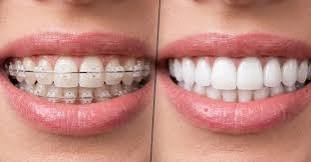
You may have gone in thinking one tooth was the whole problem. One chip, one stain, one tooth that sits a little forward in photos. Then the dentist in Picayune says the change may involve the teeth next to it, or even the ones across from it. That can feel frustrating fast. If only one tooth bothers you, why touch anything else?
The short answer is balance. Your smile is a set, not a row of isolated parts. Shape, color, width, bite, and the way light hits each tooth all work together. A cosmetic fix that looks right on one tooth by itself can look off once your lips move, once you smile fully, or once your teeth come together when you chew. That is why why some cosmetic changes require adjustments to more than one tooth often comes down to harmony, not excess treatment.
Cosmetic dentistry works best when the whole smile stays in proportion
A front tooth does not stand alone. If one central incisor is widened, the tooth beside it may suddenly look narrow. If one veneer is made brighter than the surrounding teeth, it can draw the eye for the wrong reason. If one edge is lengthened, the lower teeth may hit it in a way that causes chipping or discomfort.
You see this often with bonding, veneers, contouring, and whitening. A patient wants to repair one dark front tooth after old trauma. The repair itself is possible, but the neighboring tooth may need a small color adjustment so the result does not look patchy. Another patient wants one worn edge rebuilt. If the opposite tooth is left untouched, the smile can look uneven because our eyes naturally compare left and right.
Cosmetic dental changes involving multiple teeth are not always bigger procedures. Sometimes the adjustment is minor, such as smoothing an edge, whitening nearby teeth, or reshaping one matching tooth so the repaired tooth does not stand out.
Bite, symmetry, and color often decide whether one tooth is enough
Symmetry matters most in the front of the mouth, where tiny differences are easy to spot. A fraction of a millimeter can change how a smile reads. This is not vanity. It is how human vision works. We notice mismatch before we notice detail.
Bite matters just as much. If a tooth is restored without checking how it meets the opposing arch, that new work may take too much force. Cosmetic treatment still has to function. If it does not, the result may wear down, crack, or feel wrong when you speak and chew. MedlinePlus explains the basics of dental restoration, and that functional side is part of why a dentist may recommend changes beyond the one tooth that first caught your attention.
Color creates another common issue. Natural teeth are not one flat shade. They reflect light differently from the center to the edge, and they change over time. If one restoration is matched to teeth that you plan to whiten later, it may stop matching once whitening is done. That is why many cosmetic dentists recommend whitening first, then matching restorations to the new shade.
Small isolated fixes can create bigger visual problems
You might be thinking, I only want the least done possible. That makes sense. No one wants more treatment than they need. The problem is that a very limited fix can sometimes make the original concern more obvious.
Picture one front tooth that is slightly shorter after years of wear. If only that tooth is lengthened, the smile line may improve, but the neighboring tooth may now look rounded, darker, or older by comparison. The repair succeeded on paper and still missed the goal in the mirror.
This is also true when a tooth is crooked or rotated. Covering it with a veneer alone may not create enough room for ideal shape. A small adjustment to the adjacent tooth, or minor enamel reshaping, may be what allows the final result to look natural instead of bulky.
General wear, grinding, crowding, and old dental work can all affect these decisions. The National Institute of Dental and Craniofacial Research offers useful detail on dental materials, including how different materials behave under pressure and wear. Material choice can influence whether one tooth can be treated alone or whether nearby teeth also need attention for a stable result.
Single tooth treatment and multi tooth treatment solve different problems
| Situation | Single Tooth Treatment May Work | More Than One Tooth May Be Better |
| Small chip on a back tooth | Yes, if bite forces are normal and color match is not a concern | If the opposing tooth is causing the chip or nearby teeth are worn |
| Discolored front tooth | Sometimes, if neighboring teeth are similar in shade | If whitening, shade blending, or matching the opposite front tooth is needed |
| Uneven front edges | Rarely ideal if only one edge is changed | Often, to create symmetry and a balanced smile line |
| One tooth looks too small | Possible with bonding if space and proportions allow | If adjacent teeth also need reshaping to keep natural proportions |
| Old visible filling in a smile tooth | Yes, if the surrounding smile is stable | If nearby restorations, wear, or color differences make the repair obvious |
Problems like decay, enamel defects, or bite wear can also be part of the picture. MedlinePlus has a helpful overview of tooth disorders that often overlap with cosmetic concerns. A smile issue is not always only cosmetic, and that is one reason a good treatment plan may be broader than expected.
Practical steps before agreeing to cosmetic tooth adjustments
Ask what is cosmetic and what is functional. You need to know which recommendations improve appearance, which protect your bite, and which prevent future damage. When you hear the reason behind each step, the plan usually makes more sense.
Request a preview of the final result. Photos, mockups, wax ups, and shade planning help you see why one tooth alone may not blend well. This is especially helpful for front teeth, where tiny differences matter most.
Think in phases, not pressure. If cost is a concern, ask whether treatment can be staged safely. Whitening first, then a single restoration later, may be possible. In other cases, doing only part of the plan may create a result that looks unfinished or fails sooner. A clear sequence matters.
Cosmetic tooth treatment planning is about a result that looks natural and lasts
If your dentist recommends adjusting more than one tooth, that does not automatically mean you need major work. It often means they are trying to protect the look of your smile and the way your teeth function together. One tooth may be the complaint, but the surrounding teeth often decide whether the final result looks seamless or obvious.
If you are considering care from a general and cosmetic dentist, ask for a plan that explains the why behind every recommendation. You deserve a result that feels right when you smile, speak, and bite down.
