
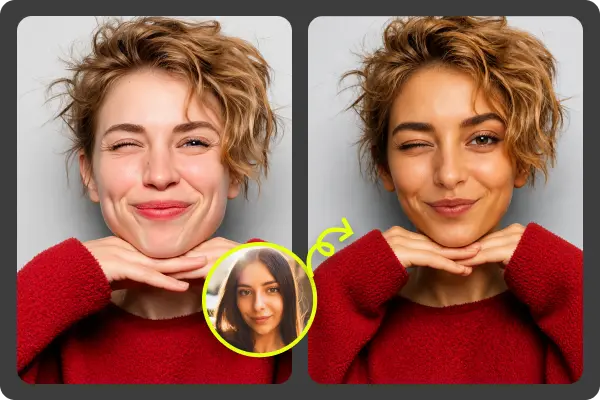
AI face swap tools are most useful when they solve a real creative problem, not when they’re used just for a quick laugh. I’ve seen them help creators test campaign ideas, make party videos faster, and turn ordinary photos into shareable moments without hiring a full production team. The key is to treat face swapping like editing: plan the shot, choose the right source image, and keep the result respectful.
For still images, a tool like Photo Face Swap works best when you want a clean poster, profile concept, meme, greeting card, or product mockup. Photos give you more control because you only need one strong frame, so lighting, angle, and facial expression matter more than motion. If the face angle matches the original image, the final result usually looks much more natural.
For motion content, Video Face Swap is better when the idea depends on timing, reactions, or storytelling. Short clips are often easier to make convincing than long videos because there are fewer frames where lighting, blur, or head turns can break the effect. I usually recommend starting with a 5 to 15 second clip before trying anything longer.
Creative use cases that actually work
One of the strongest uses is social media character content. A small business owner can place themselves into a themed scene, like a movie poster style image, a historical portrait, or a seasonal campaign visual. The benefit is speed: instead of booking a shoot for every idea, you can test which concept gets attention first. It’s especially helpful for creators who post often and need fresh visuals without looking like every post came from the same template.
A second practical use is event promotion. I’ve helped teams brainstorm face swap ideas for birthday invites, office parties, school events, and community fundraisers. Putting the guest of honor into a fun role, like an award winner, superhero, chef, or old film star, makes the invite feel personal. The benefit is emotional pull, because people are more likely to share something that features someone they know.
A third use is personalized gifts. A simple framed photo can become much more memorable when someone appears in a fantasy scene, travel poster, sports card, or retro album cover. This works well for birthdays, anniversaries, graduations, and inside jokes among close friends. The benefit is that it feels custom without needing advanced design skills, though you still need a good original photo to make it look polished.
Here’s a compact view of seven creative ways to use face swap across photos and videos:
| Use case | Best format | Main benefit |
|---|---|---|
| Social media character posts | Photo or short video | Fast creative testing |
| Event invites and promos | Photo | More personal sharing |
| Custom gifts | Photo | Unique emotional value |
| Short comedy skits | Video | Better timing and reactions |
| Brand campaign mockups | Photo | Low-cost concept previews |
| Training and education | Video | More relatable examples |
| Family memory projects | Photo or video | Fun storytelling |
Short comedy skits are another area where video face swap shines. If you’ve ever made a reaction video, you know timing does half the work. Swapping a face into a famous style of scene, a pretend interview, or a dramatic overreaction can make a simple joke feel more complete. The benefit is that motion adds personality, but the clip should stay short because fast movement and side angles can expose flaws.
Brand campaign mockups are useful before spending money on a full shoot. A marketer can test how a founder, model, or team member might look in different visual concepts, like luxury, playful, sporty, or vintage. This doesn’t replace final campaign photography, but it helps teams agree on direction faster. The benefit is better decision making before budget gets locked into locations, wardrobe, props, and editing.
Training and education are often overlooked. A teacher, coach, or internal trainer can use a face swap video to make examples feel more familiar to the audience. For example, a safety demo, language practice scene, or roleplay conversation can feature a known presenter instead of a generic actor. The benefit is engagement, but it should be used clearly and honestly so viewers understand it’s edited content.
Family memory projects can be surprisingly powerful. People use face swap to create playful “what if” images, like putting grandparents into old movie scenes, turning siblings into each other for a reunion slideshow, or making a family holiday video with everyone in themed roles. The benefit is shared laughter and nostalgia. I’d still avoid using anyone’s face in a way that could embarrass them, especially children or relatives who don’t like being posted online.
Real scenarios and why they help
For a creator building a personal brand, the biggest challenge is staying recognizable while still keeping content fresh. Face swap lets them appear in many visual worlds without needing a new photo shoot every week. A fitness creator might test warrior themed posters, retro gym ads, and motivational short clips with the same headshot. The benefit is variety without losing the creator’s face as the anchor of the brand.
For a local business, the challenge is making promotions feel human. A bakery owner could put their face into a “head chef of the holidays” image, or a barber could appear in a short vintage commercial style video. These ideas work because customers already connect with the person behind the business. The benefit is trust, since a familiar face often performs better than a plain product graphic.
For friends and families, the challenge is making something that feels personal without spending hours learning editing software. A face swap photo for a birthday card or a short video for a wedding toast can become the kind of thing people replay and send around. The best results come from using clear, front-facing photos and choosing scenes that match the person’s sense of humor. The benefit is simple: the gift feels made for them, not pulled from a store shelf.
For teams planning content, the challenge is getting approval before production. Face swap mockups help show an idea instead of explaining it in a long message. A creative lead can show three directions, get feedback, and then decide which one deserves real production time. The benefit is fewer wasted shoots and fewer vague conversations about “the vibe.”
A practical workflow for better results
Start with the idea, not the tool. Decide what the final piece should do: make people laugh, sell an event, test a campaign, teach a lesson, or create a keepsake. That purpose will guide your choice of image or clip. A funny video can tolerate a little exaggeration, while a professional campaign mockup needs cleaner lighting and a more natural expression.
Next, choose source photos carefully. A sharp face, even lighting, and a clear angle will usually beat a dramatic but blurry selfie. If the target image has the face turned slightly left, try to use a source photo with a similar turn. Matching expression matters too, because a serious face swapped into a laughing scene can look strange unless that contrast is the joke.
For video, keep the first test short. A clip with steady movement and visible facial features will work better than one with heavy shadows, quick spins, hands covering the mouth, or extreme side profiles. I like to test a short section before committing to a longer edit. If the face slips or warps in the test, a longer version usually won’t fix the problem.
After generating the swap, review it like an editor. Look at the jawline, eyes, hairline, and any frames where the face turns or blurs. If something feels off, try a better source photo rather than forcing the same one again and again. Small changes in angle or lighting can make a big difference.
Finally, think about where the content will be seen. A playful birthday video in a private chat has a different risk level than a public brand post. If the person is recognizable, get permission before sharing. Clear consent protects trust, and trust matters more than one viral post.
Limits, consent, and common sense
AI face swap can save time, but it can’t fix every bad source image. Low light, sunglasses, motion blur, and mismatched angles can all make the output look fake. It also won’t replace good taste. A clean swap used in a weak idea still feels weak.
Consent is the line you shouldn’t blur. Use your own face, licensed material, or images from people who agreed to the project. Avoid political, adult, medical, financial, or misleading uses, especially if the result could make someone appear to say or do something they never did. If a viewer could be confused, label it as edited or keep it private.
There’s also a brand risk. Some audiences love playful AI content, while others may see too much of it as lazy or deceptive. The safest approach is to use face swap as a creative aid, not as the whole strategy. Pair it with good copy, a clear purpose, and a tone that fits your audience.
Conclusion
AI face swap works best when it adds personality to a clear idea. Use it for social posts, event promos, gifts, skits, campaign mockups, training scenes, and family projects, but keep the format matched to the goal. Photos are great for polished single moments, while videos are better for jokes, reactions, and stories.
The best results come from simple planning: pick a strong source image, match the angle, test short clips first, and review the result before sharing. Most of all, use real consent and common sense. When you treat face swap as a creative editing tool instead of a shortcut, it can help you make content that feels personal, funny, and worth sharing.
