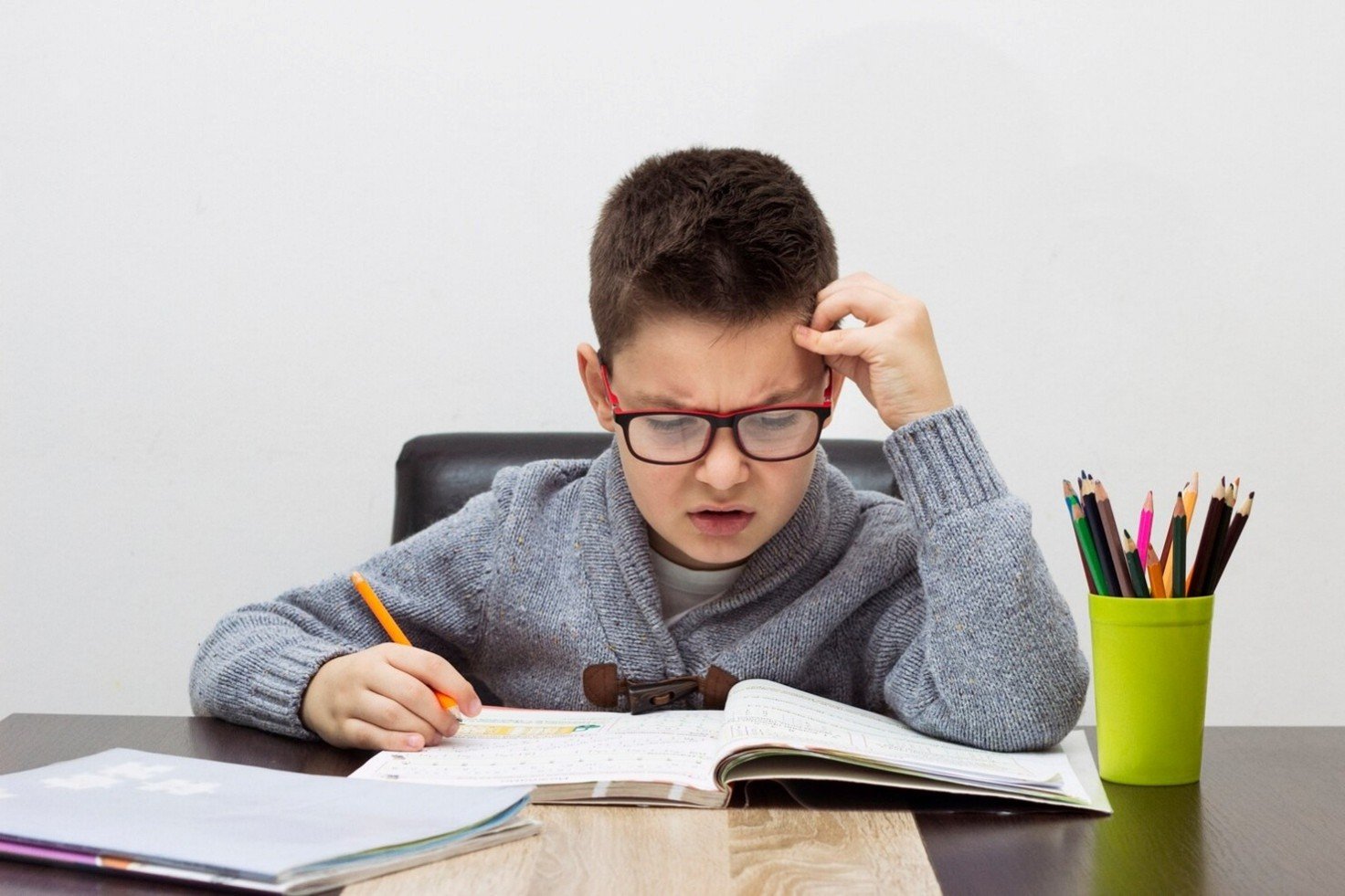
Reading is a skill that is acquired over time with practice, instruction, and exposure to written language. Some children are able to recognize words and read sentences with fluency; others may take longer to acquire these skills and require additional help. They may find it hard to sound out words they don’t know, to remember some of the more common spellings, or to recognize words they are seeing for the second or third time.
Sometimes these difficulties are linked to dyslexia. An online dyslexia test can help parents and caregivers understand if there is a need to look more closely into a child’s reading and word recognition skills.
Identifying Reading Skills in Dyslexia Screening
There are a number of related skills that are involved in reading. Children should learn to recognize letters, identify their sounds, combine sounds to read words, and become fluent as they read more. They also should be able to comprehend the words and sentences that they read.
Some of these processes may be more difficult than others for a child with dyslexia. For instance, a child may be able to read a story when someone is reading to him/her but not be able to read it on his/her own. Another child may read familiar words accurately but have difficulty sounding out unfamiliar ones.
A dyslexia test may explore these differences by examining aspects of reading development. It can include questions on reading behavior, evaluate specific literacy skills, or identify patterns that indicate the need for additional assessment.
Awareness of these patterns can help parents to see why a child might be having difficulties and what kind of help might help them.
How Word Recognition Affects Reading Development
When reading, experienced readers frequently identify recognized words without bothering to decipher each word, concentrating their attention on the meaning of the passage.
Reading can be a lot of work for children with poor word recognition. May stop frequently, mix up similar-looking words or sound out words that others in their class can read. Sometimes, reading a text aloud can be frustrating because they have to focus on individual words rather than on the meaning of the text.
An online screening may be useful to detect word recognition and decoding issues. The skills are relevant because if they continue to be a problem, it will impact reading fluency, comprehension, and confidence in the classroom.
But it doesn’t mean someone has dyslexia just because they have trouble identifying words. There are multiple factors that affect reading development, such as language exposure, teaching strategies, and other learning needs. A wider evaluation might be needed to determine why a child is having problems.
The Role of Letter Sounds and Phonological Awareness
Phonological awareness is defined as the awareness of, and ability to manipulate, sounds in language. It covers rhyming words, word segmentation, and word recognition of individual sounds.
These abilities enable children to link spoken words to written letters. A child, for example, has to determine the sounds of an unknown word and combine them in the right sequence when learning to read that word.
Children with dyslexia have some problems with these processes. They may find it challenging to separate a word into individual sounds or remember the relationship between particular letters and sounds. This can impact one’s ability to read as well as spelling.
An online screening may assess phonological awareness or other aspects of reading, depending on the screening tool designed. The results may help identify areas for further investigation, but screening cannot provide a diagnosis.
Signs Parents May Notice at Home
It is common for parents to be alerted to early reading problems in activities such as homework, shared reading, or in day-to-day learning. A child could choose not to read out loud, guess at a word that they don’t know, or not remember how to read a word that they practiced the day before. They may also require more time than usual to finish their reading assignments.
Others may include confusion with letter sounds, difficulty understanding letter patterns, and frustration with reading independently. Some children grasp verbal explanations and are less able to articulate them in writing.
These signs are not necessarily indicative of dyslexia. Children learn to read at various rates and make mistakes in learning to read as this is a natural part of learning. Although when problems continue even with proper teaching and practice, an online screening can assist parents to make the decision on further guidance required.
What Happens After an Online Dyslexia Test?
An interpretation of the results from the online screening should be made with caution and can only indicate potential reading difficulties. It is not an alternative to a full evaluation performed by a qualified practitioner.
The results may trigger concern, and parents are encouraged to share their observation with their child’s teacher and/or to consult with a relevant specialist for advice. A more detailed assessment might include reading and spelling accuracy, fluency, phonological processing, language abilities, and history of education.
The results can be used to identify strategies that may be most effective. Structured literacy, phonics, guided reading, and word recognition are examples of support that can be provided, depending upon the child’s needs.
Final thoughts
Knowing how to read and recognize words can enable parents to identify if their child needs extra assistance with literacy. An online dyslexia test is a great first step to screen for possible concerns, but additional testing can help determine the child’s learning needs.
With suitable guidance and targeted instruction, children can strengthen their reading skills and develop greater confidence. The Reading Guru can be a starting point for families seeking information about dyslexia screening and reading support.
