
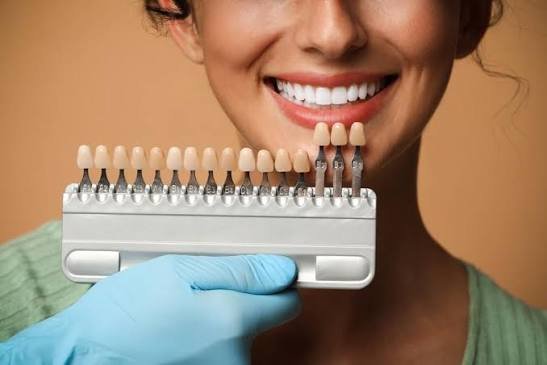
You catch your smile in a photo, on a video call, or in the mirror under bright bathroom lights, and something feels off. Maybe your teeth look darker than they used to. Maybe one small chip keeps pulling your eye every time you talk. Maybe you have started smiling with your lips closed without even meaning to. Talking to a family dentist in Calgary about those concerns can be a helpful first step. That shift can feel minor from the outside, but it often wears on you more than people realize.
Cosmetic dental concerns are rarely just about looks. They affect how you show up at work, how comfortable you feel in pictures, and whether you speak or laugh without thinking twice. If you have been wondering whether the issue calls for whitening, bonding, or veneers, the short answer is this: stains, chips, uneven shape, and worn enamel are often the clearest signs that it is time to talk with a general and cosmetic dentist.
Tooth discoloration often means whitening deserves a closer look
Surface stains build slowly. Coffee, tea, red wine, tobacco, and even normal aging can leave teeth looking yellow or dull. At first, you may brush harder or switch toothpaste, hoping that will fix it. When the color still looks uneven, frustration sets in.
Whitening tends to work best when the problem is external staining rather than damage inside the tooth. If your teeth are healthy and the main issue is color, professional treatment can give you a cleaner, brighter result than random store products that leave some spots lighter than others. If one tooth has changed color after trauma or decay, that needs a proper exam first because the cause may not be cosmetic at all. The causes of tooth discoloration can range from everyday staining to underlying dental problems.
If you have been using whitening strips over and over with little change, that is usually a sign to stop guessing. A dentist can tell you whether whitening is enough or whether bonding or veneers would match your goals better.
Small chips and rough edges often point to bonding
A tiny chip can seem harmless until it starts catching on your lip or showing up in every close up photo. This happens a lot with front teeth. You bit into something hard, had an old filling wear down, or simply noticed the edge looks shorter than it used to. Even when the damage is small, it can make your whole smile feel uneven.
Bonding is often a good fit for this kind of repair. Tooth colored resin can smooth rough edges, rebuild a chipped corner, and close minor gaps without removing much natural tooth structure. It is usually less expensive than veneers, which matters if you want a cosmetic fix but need to stay practical.
This is also where a general dentist matters, not just the cosmetic side. A chipped tooth can sometimes be a sign of grinding, bite problems, or decay. The cosmetic repair looks better and lasts longer when the reason for the damage is addressed too. The National Institute of Dental and Craniofacial Research offers strong basics on oral hygiene and daily care, which help protect any cosmetic work you choose.
Uneven shape, gaps, or worn teeth may call for veneers
Some smiles are healthy but still do not look balanced. One tooth is smaller than the others. The front teeth have worn down and look flat. Tiny gaps draw more attention than you want. These are the kinds of issues that make people think, “My teeth are not bad, but they are not what I want either.”
Veneers are often considered when the concern is shape, size, symmetry, or a mix of color and wear that whitening alone will not fix. They cover the front surface of the tooth and can create a more even look across the smile. For people with several visible issues at once, veneers may offer a more complete change than bonding.
Signs you need cosmetic dentistry often show up in clusters. Discoloration plus chips. Wear plus short teeth. Gaps plus uneven edges. When concerns overlap, a dentist can help you decide whether one treatment can handle the problem or whether a different plan makes more sense.
Recurring decay or weak enamel changes the conversation
There is no point in choosing a cosmetic treatment before the foundation is healthy. If you are dealing with cavities, sensitivity, or enamel loss, the first step is to stabilize the teeth. Some people push cosmetic concerns aside because they feel superficial, then end up with a bigger issue after decay spreads or worn enamel gets worse.
That is why a full exam matters. A tooth that looks stained may actually have decay. A tooth that seems misshapen may be worn from grinding. A gap may be harmless, or it may be part of a bite issue that keeps causing damage. The NIDCR explains how tooth decay develops and why early care matters. Cosmetic work lasts best when the teeth underneath are stable.
Whitening, bonding, and veneers solve different problems
| Treatment | Best For | What It Does | Limits to Know |
| Whitening | Yellowing, surface stains, dull color | Lightens natural tooth shade | Does not fix chips, shape, or deep structural damage |
| Bonding | Small chips, minor gaps, uneven edges | Adds tooth colored material to reshape the tooth | Can stain or wear faster than veneers over time |
| Veneers | Multiple cosmetic concerns, worn or misshapen front teeth | Covers the front of the tooth for a more uniform appearance | Usually costs more and requires more planning |
When to get teeth whitening or veneers usually comes down to one simple question: is the problem mostly color, or is it also shape and structure? If it is color alone, whitening may be enough. If the tooth is chipped, uneven, worn, or naturally small, bonding or veneers may be the better answer.
Small decisions now can prevent bigger frustration later
Take clear photos of your smile. Use natural light and capture your teeth while resting, smiling, and speaking. Patterns are easier to notice when you see them outside the mirror. You may spot uneven edges, one dark tooth, or wear that has been building for years.
Pay attention to function, not just appearance. Notice sensitivity, rough spots, food catching between teeth, or jaw tension from grinding. Cosmetic changes often overlap with health issues, and those details help a dentist recommend the right treatment.
Book a consultation with a general and cosmetic dentist. Ask which option matches your goals, your tooth condition, and your budget. A good plan should explain what can be improved now, what should be treated first, and how to keep results looking good.
If your smile has been bothering you for a while, that feeling is reason enough to get answers. You do not need to wait until a chip gets bigger, stains get darker, or wear becomes obvious in every photo. Cosmetic dental treatments work best when they are chosen for the right reason and built on healthy teeth. The next step is simple. Schedule a visit with a general and cosmetic dentist and find out whether whitening, bonding, or veneers fits what you are seeing in the mirror.
