
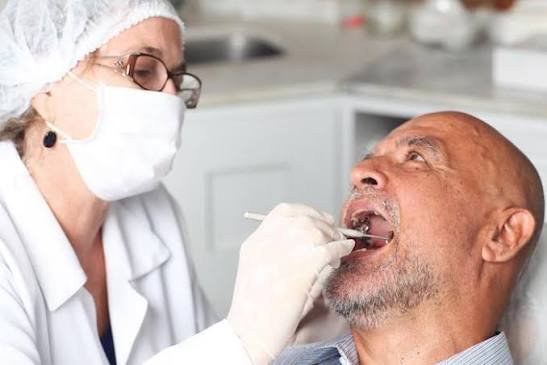
It often starts with something small. A sip of coffee, a bite of ice cream, a breath of cold air, and suddenly one tooth lights up. You pull back, chew on the other side, and hope it passes. When it keeps happening, it gets tiring fast. Eating stops feeling easy, brushing becomes something you brace for, and you may start wondering whether this is just sensitivity or the start of a bigger problem. If that sounds familiar, seeing a dentist in Denton, TX can help you find out what is causing it and what to do next.
How general dentists address tooth sensitivity usually comes down to one thing first. They find the cause before they treat the pain. Sensitive teeth can come from worn enamel, exposed roots, cavities, cracked teeth, grinding, gum recession, or irritation from whitening products. The discomfort is real, and the fix depends on what is actually triggering it.
Tooth sensitivity often points to a specific dental problem
Tooth sensitivity is not one single condition. It is a symptom. That distinction matters because the same sharp zing can come from very different issues. One person may have gum recession that exposes the root surface. Another may have early decay. Someone else may be brushing hard every day and wearing away enamel without realizing it.
A general dentist starts with an exam, your symptom history, and often X-rays if the cause is not obvious. They look at when the pain happens, whether it is tied to hot, cold, sweet, or pressure, and whether it lasts for a second or lingers. Brief pain after cold drinks often points to exposed dentin. Lingering pain can suggest deeper inflammation inside the tooth.
That is why guessing at home can backfire. If you assume all sensitivity is minor, you can miss decay or a crack that keeps getting worse. Tooth decay can begin quietly and become much more expensive once it reaches the inner part of the tooth.
General dentists treat sensitive teeth by matching care to the cause
General dentists treat sensitive teeth in a few common ways, and each option depends on what they find during the exam.
If the issue is mild enamel wear or exposed root surfaces, a desensitizing toothpaste may help. These products work by blocking the pathways that carry sensation to the nerve. Relief is not always instant, and it often takes regular use for a few weeks.
Fluoride treatments are another common step. In the office, a dentist may apply a stronger fluoride varnish or gel to help strengthen enamel and reduce pain. This is simple, fast, and often useful when sensitivity is spread across several teeth.
If a cavity is causing the problem, the treatment is more direct. The decayed area is cleaned out and restored with a filling. If the tooth has a crack, a worn filling, or a damaged biting surface, a dentist may recommend bonding, a new filling, or a crown to seal and protect it.
Gum recession changes the picture. When roots are exposed, they are more sensitive because root surfaces do not have the same enamel protection as the crown of the tooth. A dentist may recommend special toothpaste, fluoride, bonding over exposed areas, or referral for gum treatment if the recession is advanced.
Grinding can also trigger sensitivity. You may wake up with a sore jaw, notice flattened teeth, or have pain that seems to come and go. In that case, the solution may include a night guard to reduce pressure and prevent more enamel wear.
Some cases go deeper. If pain is strong, spontaneous, or lingers after hot or cold, the nerve inside the tooth may be inflamed or damaged. That can lead to root canal treatment. It sounds intimidating, but in many cases it brings relief because it removes the source of the pain rather than masking it.
The pattern is simple. sensitive teeth treatment works best when the cause is clear. That is exactly where a general dentist helps most.
Home care and professional dental care are not the same thing
You can do a lot at home, but home care has limits. If the pain is coming from surface irritation, small changes may calm it down. If the pain comes from decay, a crack, or infection, no toothpaste is going to solve it.
| Approach | Best For | What It Can Do | Limitations |
|---|---|---|---|
| Desensitizing toothpaste | Mild generalized sensitivity | Reduces nerve response over time | Does not repair cavities, cracks, or gum loss |
| Softer brushing and diet changes | Enamel wear and irritation from acids | Prevents more damage and lowers flare ups | Relief may be slow, existing damage stays |
| In office fluoride treatment | Early enamel weakness and exposed roots | Strengthens enamel and reduces sensitivity | May need repeat visits |
| Filling or bonding | Cavities, worn spots, small cracks | Seals exposed areas and stops pain triggers | Requires diagnosis and dental treatment |
| Crown or root canal | Deep cracks, severe decay, nerve pain | Protects or saves the tooth | More involved and higher cost |
That difference matters when you are trying to decide whether to wait it out. If cold sensitivity showed up suddenly, only affects one tooth, or keeps getting worse, that is a sign to stop guessing. The reasons teeth suddenly become sensitive range from simple enamel wear to dental problems that need prompt treatment.
Three steps you can take right away
Switch to gentle brushing. Use a soft bristled toothbrush and light pressure. Aggressive brushing can wear enamel and irritate the gumline. If your toothpaste is highly abrasive or loaded with whitening agents, change it.
Track the pattern of pain. Notice what triggers it. Cold only, sweets, biting pressure, one tooth, several teeth, brief pain, or lingering pain. Those details help a general dentist narrow down the cause faster and choose the right treatment.
Book a dental exam before it escalates. If sensitivity lasts more than a few days, becomes stronger, or centers on one tooth, get it checked. Early care is usually simpler and less expensive than waiting until you need major repair.
Relief starts with the right diagnosis
You are not overreacting if tooth sensitivity is disrupting your day. When eating, drinking, and brushing start coming with a jolt of pain, it wears on you. The good news is that a general dentist can usually pinpoint the cause and offer a clear path forward, whether that means home care changes, fluoride, a filling, bonding, or a more protective treatment.
If sensitivity has become part of your routine, do not just work around it. Schedule a visit with a general dentist and get an answer you can act on.
