
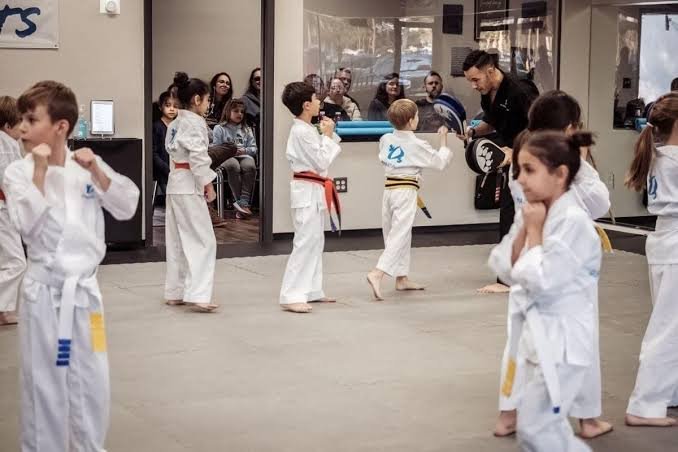
Teen athletes often spend most of their training time focused on one sport. A soccer player may spend hours practicing passing and shooting, while a basketball player may concentrate on speed, jumping, and ball handling. Specialized training is important, but adding a different physical activity can give young athletes new movement challenges and help them develop skills that support their main sport.
Taekwondo can be an interesting cross-training option for teenagers because it combines movement, balance, flexibility, coordination, strength, speed, and concentration. For athletes who want to add variety to their routine, Teens taekwondo training can provide a structured way to develop physical abilities outside their primary sport.
What Is Cross-Training?
Cross-training means participating in different types of physical activities instead of focusing exclusively on one sport.
For a teen athlete, this might mean combining:
- Soccer with martial arts
- Basketball with swimming
- Volleyball with strength training
- Track with cycling
- Baseball with mobility exercises
- Football with taekwondo
The purpose is not necessarily to replace the athlete’s main sport. Instead, another activity can introduce different movements and physical challenges.
Taekwondo can fit into this approach because its training demands are different from many traditional team sports.
Taekwondo Develops Full-Body Movement
Taekwondo is not simply about kicking.
Training can involve the legs, hips, core, upper body, and cardiovascular system. Students practice changing direction, maintaining balance, controlling their body position, and moving quickly.
For teen athletes, this variety can complement the repetitive movements they may perform in their primary sport.
A soccer player, for example, spends a lot of time running and changing direction. Taekwondo can introduce controlled kicking, single-leg balance, and different movement patterns.
A basketball player can benefit from practicing footwork and body control in a different training environment.
Flexibility Can Support Athletic Movement
Flexibility is an important part of many sports, and taekwondo naturally incorporates a wide range of leg movements.
Regular training can involve stretching, kicking drills, dynamic movement, and mobility exercises. Research involving young people has found evidence that taekwondo training can contribute to improvements in flexibility, although the available research is not yet extensive enough to say the same effect will occur for every young athlete.
For teenagers, developing flexibility gradually can make movement feel more comfortable and controlled.
A flexible athlete may also find it easier to perform certain sport-specific movements that require a wide range of motion.
Balance Becomes Part of Every Training Session
Many taekwondo techniques require athletes to briefly stand on one leg while controlling the other.
This makes balance an important part of training.
Teen athletes may practice:
- Single-leg movements
- Controlled kicks
- Stable stances
- Direction changes
- Landing techniques
- Body positioning
These skills can complement activities such as soccer, basketball, tennis, volleyball, and other sports where athletes regularly need to control their bodies while moving.
Coordination Improves Through Repetition
Taekwondo requires the brain and body to work together.
A student may need to remember a movement, position the body correctly, maintain balance, and execute a technique at the right moment.
This repeated coordination practice can be useful for athletes because sports require more than physical strength. Players must constantly process movement while reacting to their surroundings.
For teenagers, learning new physical skills can also make training more interesting because they are not simply repeating the same movements from their primary sport.
Footwork and Agility
Quick movement is important in many athletic activities.
Taekwondo training can involve changing stance, moving forward and backward, adjusting distance, and responding to a partner. These activities can challenge an athlete’s ability to control movement while staying balanced.
For athletes involved in sports that require frequent direction changes, this type of training can provide useful variety.
However, cross-training should complement the athlete’s main sport rather than attempting to replace sport-specific practice.
Strength Without Only Focusing on Heavy Weights
Teen athletes can develop strength through many different forms of movement.
Taekwondo training may include bodyweight exercises, repeated kicking drills, stances, controlled movements, and conditioning exercises.
This can help teenagers develop physical control without making every workout about lifting heavier weights.
A well-designed program can challenge the muscles while also working on mobility, balance, and coordination.
Cardiovascular Conditioning
Taekwondo sessions can also provide cardiovascular exercise.
Warm-ups, movement drills, combinations, pad work, and other activities can raise the heart rate and create an active workout.
The exact fitness demands depend on the class structure and intensity. Some sessions may be highly active, while others may spend more time on technical instruction.
This variety can give teen athletes another way to stay physically active.
Reaction and Timing
Sports often require athletes to react quickly.
A tennis player reacts to the ball. A goalkeeper responds to a shot. A basketball player reacts to another player’s movement.
Taekwondo also involves timing and reaction because students practice responding to movement, distance, and controlled partner exercises.
Learning to observe a movement and respond appropriately can add another type of mental and physical challenge to an athlete’s routine.
Concentration Is Part of Training
Physical ability is only one part of martial arts.
Students must remember techniques, listen to instructions, maintain proper form, and pay attention to what is happening around them.
This makes concentration an important part of taekwondo classes.
Teen athletes can benefit from activities that require them to focus on something completely different from their main sport.
A change of training environment can sometimes make practice feel mentally refreshing.
Taekwondo Can Add Variety to a Teen’s Routine
Doing the same training every day can eventually become repetitive.
Cross-training introduces new challenges.
For example, a teenager who normally spends the week practicing soccer skills might attend taekwondo once or twice a week. Instead of another soccer practice, they get an opportunity to work on balance, flexibility, footwork, and coordination.
This variety can make physical activity more enjoyable.
Enjoyment is particularly important for teenagers because a sustainable exercise routine is easier to maintain when they actually look forward to participating.
It Can Build Confidence Through Skill Development
Martial arts provide a clear progression system.
Students usually learn basic movements before advancing to more complicated techniques. Over time, they may work through different belt levels and training goals.
For a teenager, seeing gradual improvement can create a sense of accomplishment.
A student who initially struggles with balance or flexibility may eventually perform a technique with greater control.
That experience can reinforce the idea that progress comes from patience and consistent practice.
Taekwondo Can Teach Discipline
Teen athletes already understand that improvement requires practice, but martial arts can reinforce this lesson in a different environment.
Students are expected to:
- Arrive prepared
- Listen to instructions
- Practice consistently
- Respect instructors
- Work with training partners
- Follow safety rules
- Continue working when techniques are difficult
These habits can support an athlete’s overall approach to training.
The goal should not be to create excessive pressure. Instead, students can learn that steady effort is an important part of development.
It Can Encourage Better Body Awareness
Body awareness means understanding where your body is and how it is moving.
Taekwondo requires students to pay attention to:
- Foot placement
- Balance
- Posture
- Hip movement
- Arm position
- Distance
- Timing
This awareness can be useful in other physical activities as well.
An athlete who becomes more conscious of movement may begin to notice how they position their body during running, jumping, turning, or landing.
Cross-Training Does Not Mean Training Every Day
More exercise is not always better.
Teen athletes need enough time for recovery, sleep, school, and other responsibilities. Adding taekwondo should not create an exhausting schedule that leaves no time for rest.
A reasonable cross-training plan depends on:
- The athlete’s age
- Main sport
- Current training load
- Competition schedule
- Fitness level
- Recovery needs
- Coach recommendations
Parents and coaches should consider the athlete’s complete schedule before adding another activity.
Choose a Program Designed for Teenagers
A teenager should train in an environment that understands the needs of young athletes.
Look for a program where instructors:
- Teach age-appropriate techniques
- Prioritize safety
- Explain movements clearly
- Encourage proper technique
- Monitor intensity
- Respect individual ability levels
- Avoid unnecessary pressure
- Maintain a positive atmosphere
The training should challenge teenagers without treating them like professional adult athletes.
Taekwondo Should Complement the Main Sport
Cross-training works best when it supports the athlete’s overall development.
A teen soccer player does not need to stop playing soccer to practice taekwondo. A basketball player does not need to replace basketball with martial arts.
Instead, taekwondo can serve as an additional activity that introduces different movements and skills.
The main sport should remain an important part of the athlete’s schedule if competition and performance are the primary goals.
Avoid Overtraining
Teen athletes need recovery just as much as training.
Signs that a schedule may be too demanding can include persistent tiredness, declining performance, unusual irritability, difficulty sleeping, or a loss of interest in activities they normally enjoy.
Adding cross-training should be done thoughtfully.
Rest days and lighter training periods are important, especially during busy competition seasons.
When Is Taekwondo a Good Cross-Training Choice?
Taekwondo may be a useful option for a teenager who:
- Enjoys learning new physical skills
- Wants to improve flexibility
- Likes dynamic movement
- Wants more variety in training
- Enjoys martial arts
- Wants to work on balance and coordination
- Is interested in learning a new discipline
- Wants an activity outside their main team sport
The teenager’s own interest should also matter. Cross-training is much easier to maintain when the athlete actually enjoys the activity.
Making the Transition Comfortable
A teen athlete who has never practiced martial arts may initially feel unfamiliar with the training environment.
The first few sessions may involve learning basic stances, simple techniques, stretching, and movement drills.
There is no need to compare their performance with experienced students.
A good beginner program allows new students to develop gradually.
Over time, the athlete can become more comfortable with the movements and understand how taekwondo training works.
Conclusion
Taekwondo can be a valuable cross-training activity for teen athletes because it introduces a combination of flexibility, balance, coordination, footwork, body control, conditioning, concentration, and discipline. These qualities can complement many different sports without requiring teenagers to abandon their primary athletic activity.
For families considering Teens taekwondo, the focus should be on finding an age-appropriate and supportive program that fits the athlete’s existing schedule. Cross-training should add variety and useful movement experiences while leaving enough time for recovery.
With the right balance, taekwondo can give young athletes a new way to stay active, learn different physical skills, and continue developing as well-rounded athletes.
